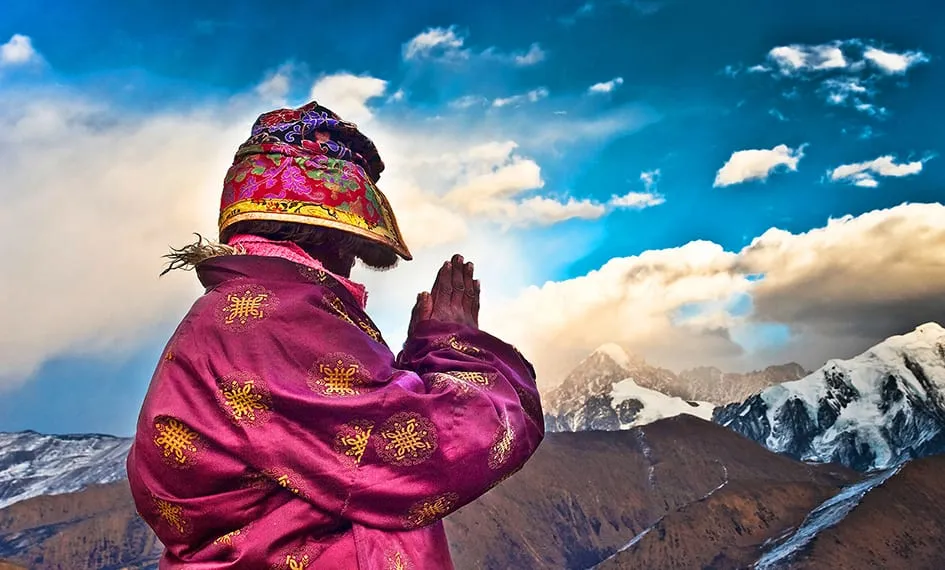

Yubeng Trekking Guide: Sacred Waterfall, Ice Lake & Golden Sunrise — the Hidden Village Deep in Meili Snow Mountain
Bottom line: Yubeng is a Tibetan village deep in the Meili Snow Mountain range that still has no road access — and China's most classic entry-level high-altitude trekking destination. Plan 3–4 days: enter on Day 1, hike the Ice Lake on Day 2 (harder), the Sacred Waterfall on Day 3 (easier), and on clear mornings you can watch the golden sunrise on Kawagebo from the village. Best seasons: May–June and September–November.
"Paradise is on the left, Yubeng on the right." The line has been said to death — but when you actually stand at the entrance of Yubeng village facing the snow-ringed pastures and prayer flags, you understand why it survives the repetition. Yubeng has no road; supplies come in on foot and horseback. And that is exactly why it keeps the raw texture of a mountain Tibetan village. This guide covers getting in, trekking, lodging and seasons in one pass.
1. First: where Yubeng is and how to get in
- Location: Yunling Township, Deqin County, Diqing Prefecture — in the valley between Meili's Goddess Peak and Five-Guan Peak;
- Getting in and out: reach Xidang or Ninong from the Shangri-La/Deqin direction, then trek or ride horses into the village (subject to road and scenic-area rules at the time);
- Tickets: scenic-area entrance around a few dozen RMB/person (per official sources);
- Village structure: split into Upper Yubeng (higher; closer to the Ice Lake) and Lower Yubeng (closer to the Sacred Waterfall); the two are about 40 minutes' walk apart.
🚨 Road conditions and vehicle access change year to year (some sections once ran 4WD transfers) — please confirm the latest policy with local scenic-area staff and guesthouses before you set out.
2. The two classic hikes: difficulty and timing
Ice Lake trail (harder, about 8–10 hours round trip)
- Route: Upper Yubeng → Xiaonong base camp → Ice Lake;
- Highlights: primeval forest, Xiaonong pasture, glacier-melt lake;
- Difficulty: clear elevation gain and lots of scree slopes — start in the morning and be back before dark; those with average fitness should think twice.
Sacred Waterfall trail (easier, about 4–6 hours round trip)
- Route: Lower Yubeng → the Sacred Waterfall;
- Highlights: water cascades down the cliff of Five-Guan Peak; Tibetans treat it as holy water (one of the final stops of the kora);
- Difficulty: gentle at first, climbing in the second half — most people manage it; the first choice for "entry-level."
Advanced route
With extra time, add the Ninong Grand Canyon exit hike (about 4–5 hours along the gorge of a Lancang tributary, rugged and spectacular) as your way out of Yubeng.
3. A sample itinerary (3–4 day version)
| Day | Plan |
|---|---|
| D1 | Shangri-La / Feilai Temple → trailhead → trek/ride into Upper Yubeng, rest |
| D2 | From Upper Yubeng on the Ice Lake trail, return to Upper Yubeng (or move to Lower Yubeng) |
| D3 | From Lower Yubeng on the Sacred Waterfall trail — light pack, slow pace |
| D4 | Exit along the Ninong trail, back to Feilai Temple / Shangri-La |
Travelers with average fitness can spread the Ice Lake and Sacred Waterfall across two days with a buffer day in between. If you only want a taste, just do the Sacred Waterfall plus the village pastures.
4. Lodging, gear and altitude sickness
Lodging
Guesthouses operate in both Upper and Lower Yubeng, from dorm beds to view rooms. Conditions improve every year, but mountain resources are limited — hot water, power and internet can be tight in peak season; confirm with your guesthouse in advance.
Packing list
Trekking shoes (grippy), trekking poles (knee savers), a shell jacket plus warm layers (big day-night temperature swings), sun protection (strong UV at altitude), headlamp, portable oxygen and basic medicine, rain gear/waterproof cover, energy snacks, thermos.
Altitude sickness and safety
Yubeng village sits at about 3,050 m; the trails top out at 3,600–3,900 m. If you're new to altitude, slow your pace — don't push through a clear headache, and descend promptly if blood oxygen drops. In the rainy season avoid gorges and rockfall sections; some trails ice up in winter and need crampons and a guide.
5. When is the best time to go?
- May–June: alpine rhododendrons in bloom, snow-mountain water abundant, stable weather;
- September–November: crisp autumn light, highest odds of seeing the golden sunrise;
- July–August: rainy season — slippery trails and heavy cloud; not the first choice;
- December–March: stunning snowscapes but icy trails and closure risk — experienced trekkers only.
Golden-sunrise tips: between 6 and 7 AM face the Kawagebo direction — the clear-sky odds decide whether you get the gold. Reference "Feilai Temple weather" and local golden-sunrise live forecast pages.
6. FAQ
Q1: Is Yubeng suitable for trekking novices? A: The Sacred Waterfall trail counts as a legitimate "entry trail"; the Ice Lake trail makes real demands on fitness. If you've never trekked, hire a guide, split it across two days, and don't overreach.
Q2: Can seniors and children go to Yubeng? A: Energetic children over 8 might manage the Sacred Waterfall; seniors should weigh it carefully — alternatively watch the snow mountains from Feilai Temple without entering Yubeng.
Q3: Yubeng or Tiger Leaping Gorge trekking — which to pick? A: Yubeng is about snow mountains, holy lakes and a Tibetan village — a more "pilgrimage" atmosphere. Tiger Leaping Gorge is famed for sheer canyon drama with comparable physical demand. Do both if time permits.
Q4: Do I need a guide for the treks? A: The main trails are clear and well-marked — going with companions you can self-guide. If you want the stories, off-beat spots, or winter travel, a guide is safer (guesthouses can arrange one).
7. What travelers say
"At 6 AM I pushed open the guesthouse door and the whole massif of Kawagebo lit up with the rising sun — I almost teared up. Standing soaked under the Sacred Waterfall felt like being washed clean." — trekker user
"The Ice Lake trail is genuinely exhausting, but drinking butter tea at Xiaonong base camp and watching the lake fed by glacier melt made everything worth it. Yubeng deserves one visit — and another." — Xiaohongshu user
8. Summary
Yubeng isn't just a trek — it's a way of spending time with Meili Snow Mountain: approaching the Sacred Waterfall on foot, trading altitude for a golden sunrise. Choose the season right, pack the gear, slow the pace — and leave the rest to the mountain. If Yunnan is allowed only one trekking route, most people's answer is Yubeng — it's worth crossing those mountains for.
Craving a worry-free yet free-spirited journey?
Don't want to plan it yourself? Contact our senior trip designer now for a route and quote tailored to you.
Updated: September 2026 Author: RoamFun Senior Travel Consultant Questions? Contact us: vip@roamfun.net

RoamFun Senior Travel Consultant
Travel DesignerProfessional travel consultant, curating the most practical travel guides for you.