What to Wear in Tibet: Don't Get Fooled by Fake Online Guides!
I just returned from leading a tour from Lhasa and Nyingchi all the way to Everest Base Camp last month. I saw people in thin tulle skirts with blue lips from the cold at sub-zero mountain passes, and I was sweating for them. Those misleading online guides tell people to bring all sorts of impractical clothes without mentioning how torturous the nearly 20°C day-night temperature swing is! At high altitude, wearing the wrong clothes isn't just about being cold — catch a chill and get a cold, and altitude sickness follows directly, completely ruining your trip that cost thousands. Listen to me: Tibet's weather has four seasons in one day. How do you dress to withstand wind and freezing while still producing stunning photos? Today I'm sharing all my decade-plus of tour-leading experience.
Don't Blindly Depart! Basic Information Alignment
| Best Season | Recommended Days | Budget Per Person | Difficulty |
|---|---|---|---|
| May-October (avoid peak rainy season) | 7-10 days | 5,000-8,000 RMB | ⭐⭐⭐ (requires altitude sickness prevention and extreme temperature differential management) |
The Itinerary — Just Copy This
- Day 1: Lhasa Assembly — Don't Show Off, Warmth Is Priority
- Morning: Arrive in Lhasa (3,650m elevation). Don't get excited when you step off the plane — walk slowly. No matter how hot it is, put on your thin fleece or windproof jacket first.
- Afternoon tips: Don't rush to wash your hair or shower. Wear a knit hat — head warmth is the first step in altitude sickness prevention. Never wear clothes that are too tight; keep breathing unobstructed.
- Evening accommodation: Star-rated hotels with oxygen in Lhasa city. Wear loose cotton long-sleeve pajamas for sleeping. Never kick off the blanket in the middle of the night.
- Road note: Airport highway conditions are good, but the sunlight is extremely blinding — put on sunglasses the moment you land.
- Days 2-3: Nyingchi Oxygen Therapy — Onion Layering in Practice
- Morning: Take the Lhasa-Nyingchi high-grade highway to Nyingchi (2,900m elevation), known as Tibet's Jiangnan. After the morning sun comes out, it's quite warm — wear a quick-dry long-sleeve T-shirt inside with a hardshell jacket outside.
- Afternoon tips: The wind at Basum Lake is particularly strong — zip the fleece liner back up. Never forget to reapply sunscreen — high-altitude UV can peel your skin.
- Evening accommodation: Nyingchi Bayi Town or Lulang Town. Temperatures drop to around 10°C at night — bring a thin down jacket when going out for stone pot chicken.
- Road note: Overall road conditions are excellent, but you may encounter fog or light snow when crossing Sejila Mountain Pass — dress fully armored when getting out for photos, wear a hat.
- Days 4-5: Shigatse to Everest — Hardcore Freeze Resistance Test
- Morning: Cross Yamdrok Lake (4,400m elevation) — wind strong enough to blow you away. Hardcore gear required: windproof fleece hat, hardshell jacket suit, thickened thermal underwear.
- Afternoon tips: Head to Everest Base Camp (5,200m elevation). Evening temperatures approach freezing — stuff all those pretty little skirts back in your suitcase. Pull out every thick down jacket, wool sock, and body warmer you have.
- Evening accommodation: Everest Base Camp tents or Basong Village inn. Sleeping in clothes is normal — prepare a clean set of thickened thermal underwear as sleepwear.
- Road note: The 108 bends to Everest test driving skills and motion sickness resistance tremendously. On washboard roads and icy surfaces, our fleet's Tank 300 chassis and seat heating prove invaluable — comfortably traversing rough roads.
A Veteran's Suitcase: Bring the Right Things, Not Too Many
- **Documents:** ID card (checked constantly), border pass (essential for Everest and Ngari), small amount of cash.
- **Clothing (core focus):**
- Base layer: 3-4 sets of cotton or quick-dry moisture-wicking long-sleeve underwear (never wear non-breathable synthetics — sweat trapped against skin causes colds).
- Mid layer: Fleece jacket, thin sweater (warmth and breathability are key).
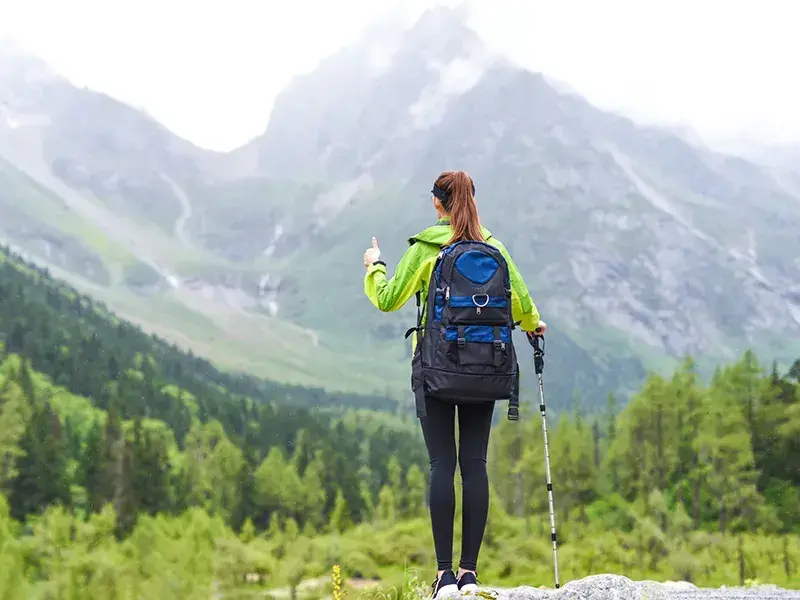
- Outer layer: Windproof waterproof 3-in-1 hardshell jacket, one thick down jacket rated for sub-zero temperatures (lifesaving for glaciers and Everest).
- Bottoms: Loose cargo pants/hardshell pants with thermal heat-generating pants underneath.
- Footwear: High-top waterproof hiking boots (don't suffer in white sneakers), 3-4 pairs of thickened wool socks.
- Accessories: Sunglasses (snow blindness prevention), windproof knit hat (must cover ears), magic bandana (wind and sun protection), warm gloves.
- **Medications:** Ibuprofen (miraculous for altitude headache), glucose, personal stomach medications.
- **Electronics:** Power bank (phone battery drains rapidly in low temperatures), spare charging cables, camera and spare batteries.
Honest Advice From the Heart
Listen to me — Tibet's scenery is on the road, but so is the torment. With daily drives of hundreds of kilometers, if you're wearing tight clothes plus altitude sickness, it's hell. Wear loose, easy-to-remove layers — take off in the warm car, put on when you get out in the cold. On extremely bumpy unpaved roads, a regular city SUV would shake you apart — this is why we're grateful for Tank 300s on terrible roads, with stable chassis and soft seats, saving so much suffering. Also, don't cheap out on accommodation without heating or oxygen — catch a cold at night and your Tibet trip ends early.
Don't Just Snap Randomly — These Spots Are Incredible
- Yamdrok Lake viewing platform (10 AM-12 PM): Standing by the stone marker at 4,990m elevation, wear bright colors (bright red, vivid yellow) hardshell jacket, back to the water, shoot upward from below — avoids crowds and captures distant snow mountains and turquoise lake together.
- Everest Base Camp survey marker (sunset): When sunset light hits the golden mountain, put on your thickest down jacket and cool sunglasses. No need for many poses — hands in pockets or arms crossed, the silhouette makes you an absolute hardcore player.
- Potala Palace Yaowang Mountain viewing platform (8 AM early morning): Hold a 50 RMB note toward the Potala. Wear a solid-color long outfit with ethnic shawl (remember thermal pants underneath). Morning light on your face — cultural atmosphere with warmth.
10 Most-Asked Questions
Q1: Do I really need a down jacket for summer in Tibet? A: Absolutely! Lhasa summer days can be T-shirt weather, but once it rains or you reach high-altitude areas like Namtso or Everest, nights freeze you into questioning life. A thick down jacket is essential.
Q2: Can I bring dresses for nice photos? A: You can, but only wear them in Lhasa city or Nyingchi where elevation is lower and wind is lighter. And always wear thermal nude-tone leggings underneath. At mountain passes or lakesides, wind can knock you over — stick to windproof jackets and pants.
Q3: How to choose shoes? Are regular sneakers okay? A: For sightseeing around Lhasa, sneakers barely work. But for Everest, Ngari, or getting out to walk wild paths — listen to me, buy slip-resistant waterproof high-top hiking boots. Stiff soles cushion against gravel road impact and protect ankles from sprains.
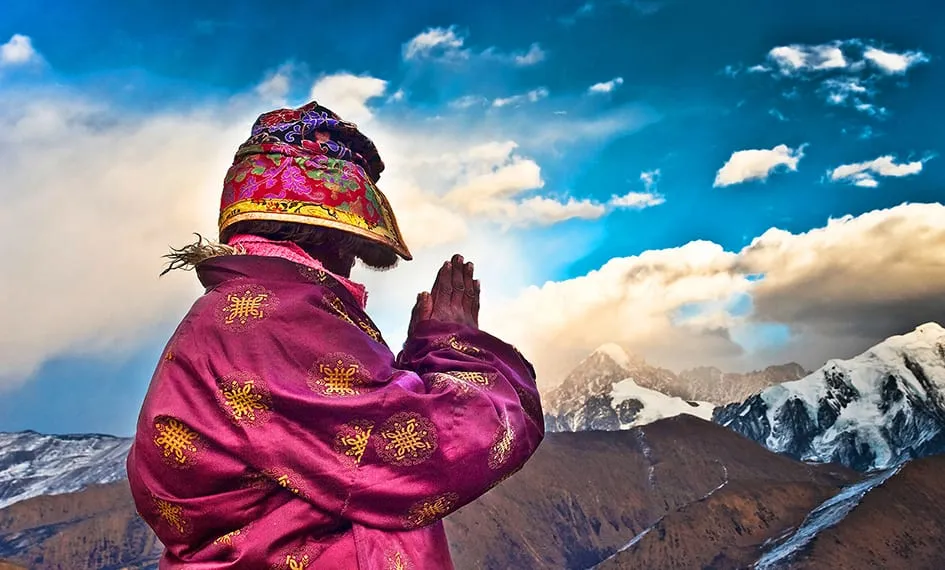
Q4: What color clothes photograph best in Tibet? A: Avoid black, gray, and white! Tibet's backgrounds are mostly blue sky, snow mountains, and yellow earth. Wear red, vivid yellow, Klein blue — highly saturated colors make your photos stand out in any feed.
In Closing — Your Scenery Is Already on the Way
Tibet's hardship and beauty always coexist. When you're wearing a hardshell jacket, braving biting cold wind at a 5,000m+ mountain pass, watching prayer flags wildly dancing before snow mountains — you'll realize all the preparation and journeying was worth it. Travel isn't about suffering — bring the right gear, find someone who knows the road, and you can truly enjoy this snow plateau's wildness and tenderness.
If you want a deep adventure that avoids pitfalls, doesn't torture yourself, is hardcore yet full of human warmth — stop struggling alone and come talk to me.
Updated: June 2026 Author: RoamFun Senior Travel Consultant Questions? Contact: vip@roamfun.net
Craving a worry-free yet free-spirited journey?
Don't want to plan it yourself? Contact our senior trip designer now for a route and quote tailored to you.

RoamFun Senior Travel Consultant
Travel DesignerProfessional travel consultant, curating the most practical travel guides for you.