
Zhada Earth Forest & Guge Kingdom Ruins Guide (Ali's Hidden Realm)
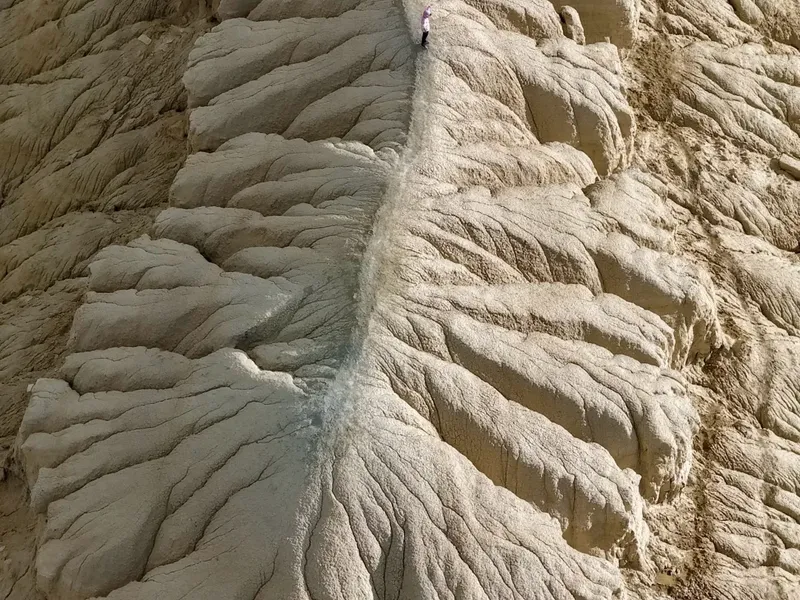
In Zhada County in Tibet's Ali region lies a Zhada Earth Forest carved by time, with the Guge Kingdom ruins standing atop it. The vast earth pillars and the lost dynasty weave together into a magnificent, desolate historical picture—the most breathtaking hidden realm in Ali. Picture this: hundreds of millions of years ago this was a vast lakebed. When the water receded it left thick lacustrine deposits, then after millennia of wind and water erosion, the bizarre, forest-like pillars before you were carved. And on top of these pillars once stood a prosperous Guge Kingdom, with palaces and monasteries built into the mountain, until it mysteriously vanished into the mists of history.
This is "the hidden realm on the roof of Tibet," one of the places countless travelers most want to go yet hardest to reach. Because it's remote, hard to reach by transport, and requires a border permit, going deep into Zhada demands real preparation for most people. This guide lays out how to get to the Zhada Earth Forest and Guge ruins, what's a must-see, the best time to visit, photography points, and important matters like the border permit and supplies, so you can enjoy this vast hidden realm to the fullest and safely.
🏜️ Getting to Know the Zhada Earth Forest
- Location: Zhada County, Ali region, along the Xiangquan (Sutlej) River valley
- Character: forest-like earth pillars formed by ancient lake deposits eroded by wind and water—bizarre shapes resembling palaces, castles, and pagodas
- Awe-inspiring: vast in area and depth; from the viewpoint overlook you feel like you're in a giant natural sculpture garden, desolate and magnificent
- Best viewing: overlook from the viewpoint; sunrise and sunset offer the strongest light and shadows—the golden hours for photography
🏰 The Guge Kingdom Ruins
- History: the Guge Kingdom flourished here for centuries, with vast territory and thriving Buddhism at its peak, then mysteriously vanished, leaving dramatic ruins
- Location: about 18 km west of Zhada county town
- Highlights: palace and monastery ruins built into the mountain, exquisite murals, and stupas; climb to the top for a panorama of the earth pillars and the river valley
- Ticket: about 60–100 RMB (subject to the current year)
- Tip: hire a guide to better understand the story behind the dynasty's rise and fall
🗺️ How to Get There
- Transport: the Ali region has poor transport, requiring self-drive or a chartered car; plan it into an Ali loop itinerary
- Route: head to Zhada from the Shiquanhe/Tarqen direction, or enter from Menshi; you can also approach from Shigatse via Saga
- Roads: some sections are dirt roads with many curves: use a 4WD and allow plenty of time
- Permits: the Ali region requires a border permit, obtained in advance at your place of household registration or in Lhasa; it can be arranged at the Lhasa Border Defense Building
- Distance: Lhasa to Zhada is about 1,300–1,500 km one way, usually a 2–3 day drive
📷 Best Timing & Viewpoints
- Sunrise/sunset: the strongest light on the earth pillars, with the Guge ruins bathed in gold—the best time of day to shoot
- Earth Forest viewpoint: overlook the whole forest, grand in scale; best for wide-angle panorama stitching
- Top of the Guge ruins: overlook the river valley and earth pillars from a unique angle
- How to shoot: use a telephoto for the texture of the pillars, wide-angle for panorama; morning mist or evening golden light adds atmosphere
- Season: May–October is relatively stable, with best autumn color and light; winter is severely cold
📌 Practical Tips
- High altitude (over 4,000 m): risk of altitude sickness; bring oxygen and remedies
- Dry with strong sand and wind: protect against sun, wear goggles and a mask
- Ali has few supplies: stock up on water, food, and fuel in towns like Shiquanhe beforehand
- The Guge climb is steep with many narrow steps: pace yourself, and watch the elderly and children
- Protect the historical site: don't climb or carve, visit civilly
- Obtain your border permit in advance and carry your ID and permit for checks
❓ FAQ
Q: Is Zhada worth a dedicated trip? A: Yes, but it's remote. It's a key node on the Ali loop, so combine it with Mount Kailash and Lake Manasarovar; a dedicated round trip is costly.
Q: Where do I get the border permit? A: At the police station of your household registration or the Lhasa Border Defense Building; prepare your ID and photos, usually tens of RMB.
Q: What's the best season? A: May–October; avoid the rainy season (some dirt roads get hard) and severe winter (cold, slippery), with autumn offering the best light and color.
A short history of the Guge Kingdom
Understanding a little of the Guge Kingdom's story makes the ruins far more meaningful. Guge rose from the fragmentation of the Tibetan Empire in the 9th century, when descendants of the royal line established a kingdom in western Tibet. Over the following centuries it grew prosperous, adopting Buddhism and building monasteries that became centers of learning and art. The kingdom built its fortress capital into the towering earth pillars near present-day Zhada, carving palaces, temples, and living quarters into the cliff. At its height, Guge was a powerful and cultured state, but in the 17th century it fell into conflict with neighboring powers and was ultimately conquered, leaving its once-great capital abandoned. Today the red-and-white ruined walls, faded murals, and silent stupas still hint at the kingdom's former glory, and a local guide can bring this layered history vividly to life.
How to combine Zhada with an Ali loop
Because Zhada sits deep in western Tibet, few travelers visit it in isolation—most include it as part of a wider Ali loop. A typical circuit starts from Lhasa, heads west through Shigatse, and touches the great lakes of Lake Manasarovar and Lake Rakshastal near Mount Kailash, then continues to Zhada to see the earth forest and Guge ruins before returning. Such a loop generally takes at least eight to ten days, given the long distances and high passes. Building your route around Kailash and Zhada lets you experience the sacred mountain, the holy lakes, and the historical ruins in one coherent journey. For drivers, planning fuel stops and rest days is essential, since towns are sparse and the roads demanding. A well-structured loop makes the remote west of Tibet feel connected rather than fragmented.
What to see around Zhada beyond the ruins
Zhada County offers more than the earth forest and Guge ruins. The Xiangquan (Sutlej) River valley winds through the earth pillars, and viewpoints along the way reveal ever-changing shapes in the rock. The county town itself, small and quiet, gives a glimpse of daily life in this remote corner of Tibet, with simple restaurants serving local fare. Nearby, scattered villages and monasteries add human warmth to the dramatic landscape. If you have extra time, consider a drive along the river to find lesser-known viewpoints that photographers love. Each corner of the valley seems to reveal a different face of the earth pillars, from castle-like spires to silent sentinels, making it easy to linger and soak in the atmosphere of this extraordinary region.
Practical logistics for a visit
Planning the practical side of a Zhada visit makes everything run more smoothly. Because the county is remote, fill your fuel tank and stock up on water, food, and snacks in a larger town like Shiquanhe or the last sizable stop before heading in. Accommodation in Zhada is basic but adequate, ranging from simple guesthouses to a few hotels, so book ahead in the busy season and keep expectations modest. Mobile signal is patchy across much of the Ali region, so download offline maps and share your planned route with someone before you set out. Daylight hours are long in summer but short in winter, which affects how many sites you can visit in a day—plan your driving and sightseeing around sunrise and sunset, especially since those golden hours are also the best time for photos. Carry cash as well as a card, since card acceptance can be limited in such a remote area.
The Zhada Earth Forest and the Guge Kingdom are Ali's most breathtaking historical and natural wonders. The vast earth pillars and the lost dynasty are worth going deep into Tibet's "hidden realm on the roof" for. With your border permit ready, a 4WD, and the right timing, you can touch the breath and character of a thousand-year dynasty on this land carved by time.
Want a worry-free Ali hidden-realm and itinerary arrangement?
The Ali loop is complex with tough roads—let an experienced senior consultant plan it for you to save worry. Contact our trip designer now for a route and quote made for you.
Updated: August 2026 Author: RoamFun Senior Travel Consultant Questions? Contact us: vip@roamfun.net

RoamFun Senior Travel Consultant
Travel DesignerProfessional travel consultant, curating the most practical travel guides for you.