Zha Ji Temple Guide: Lhasa's Fortune Temple, Wednesday Visits & Offering Rituals
Bottom line: Zha Ji Temple is the busiest "wealth temple" in central Lhasa, dedicated to Zha Ji Lhamo. Locals say Wednesday is the luckiest day for wealth prayers, and the temple is most crowded from 7–9 a.m. Buy three offerings at the gate — liquor, a khata scarf and incense twigs — burn incense first, then offer the wine and pray, about 40 minutes in total. It sits just one street from Sera Monastery, making a natural northern-Lhasa half day.
Most visitors tick only the Jokhang and Potala off their Lhasa temple list — and miss this small shrine that locals visit almost weekly. Zha Ji is compact, free to enter and full of atmosphere; here you see Lhasa's everyday faith at its most vivid. This guide explains the ritual so you do it right.
1. Who is Zha Ji and why do people pray for wealth?
Located on Serlu Road in northern Lhasa, Zha Ji Temple began in the early Qing era as a prayer site for Han craftsmen settling in Lhasa. Its chief deity, Zha Ji Lhamo — widely regarded as an emanation of the goddess Palden Lhamo — is believed to answer prayers for prosperity and career success.
As a result, Zha Ji has become known as "Tibet's only wealth temple." Traders and tourists alike come for an "auspicious start," and the sight of rows of baijiu bottles before her statue is unique to this shrine — devotees believe the goddess enjoys liquor, so "toasting" her has become the temple's signature rite.
2. When is the best time to go?
| Time | Notes |
|---|---|
| Wednesday | The best-known "wealth day" — busiest and most vibrant |
| Monday / Friday | Traditions link them to peace and health prayers respectively |
| Time of day | The earlier the better; 7:00–9:00 a.m. is the liveliest window |
| Hours | About 7:00–18:00; entry is free |
💡 Prefer fewer crowds? Pick a weekday afternoon — the devotion is just as real and the queues vanish.
3. Offerings and the full ritual
Step 1: Buy offerings at the gate
Stalls at and near the entrance usually sell three items:
- Liquor or barley wine (about 5–15 RMB/bottle — for the main deity)
- Khata scarf (offered to Zha Ji Lhamo)
- Incense twigs (for the smoke-purification rite)
Bringing your own offerings is equally welcome.
Step 2: Burn incense (sang)
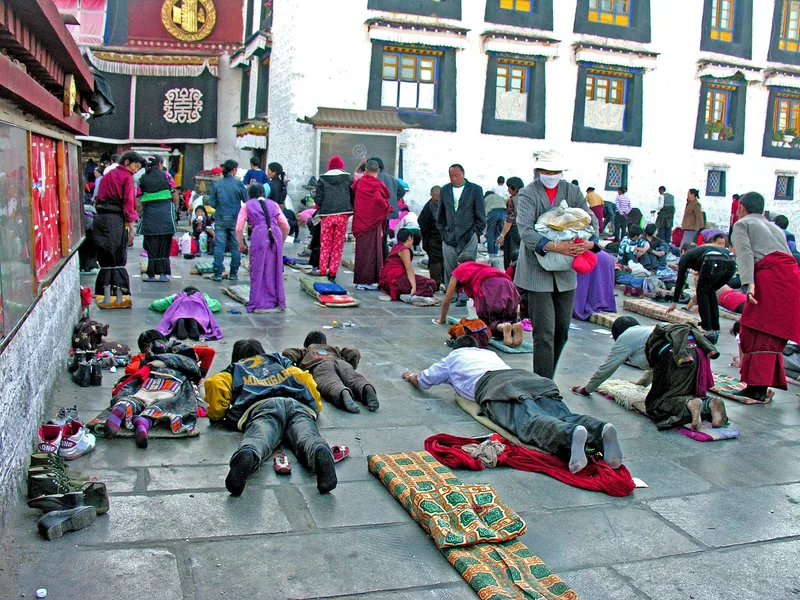
Head first to the incense stove inside the courtyard, light the twigs, bow to the four directions and feed them into the stove. Rising smoke "announces" your arrival to the guardian.
Step 3: Enter the main hall and offer wine
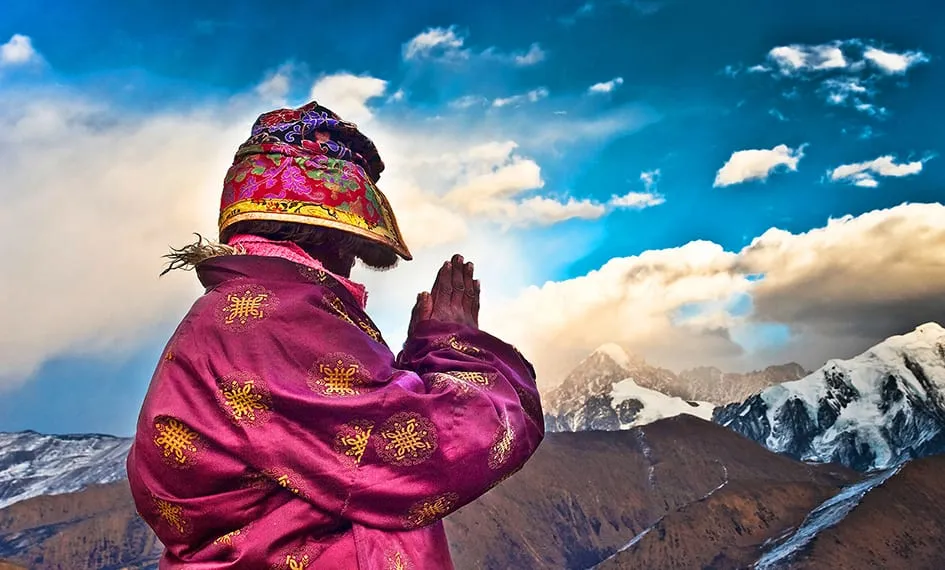
Remove your hat and stay quiet before entering. Hand your bottle to a monk, who pours it into the offering vessel; present your khata, press your palms together before Zha Ji Lhamo, make your wish, then circle the hall clockwise bowing to the surrounding Buddhas.
Step 4: Walk the kora to finish
Step outside and complete one clockwise circuit of the temple's kora path to close the rite.
4. Five rules to remember
- No photos inside the hall, especially of shrines and statues.
- Dress respectfully: no hats inside, avoid very revealing clothes.
- Hand liquor to the monks — do not pour it yourself.
- Be specific in prayer: locals state their wish clearly (e.g., "for smooth business") and their name.
- Stay calm and authentic: Zha Ji Lhamo prefers sincere simplicity to expensive "packages" — good intent is enough.
5. Route pairing: Zha Ji + Sera Monastery half day
Zha Ji sits about 2 km from Sera Monastery, both in northern Lhasa. Recommended flow:
- At 8:00 a.m., visit Zha Ji and finish the ritual within the hour;
- Taxi or bus to Sera (about 10 minutes);
- Tour Sera's three colleges, and by about 15:00 watch the monks' famous debating session (Sera's monks' debate usually begins around 15:00 — confirm on the day).
That half day gives you a full taste of Lhasa's living Buddhist practice.
6. FAQ
Q1: Does Zha Ji Temple charge an entry fee? A: Generally free. If special ceremonies or policy changes occur, follow the on-site notice.
Q2: Can I come just to pray without buying offerings? A: Yes. Sincere palms-together prayer is enough; offerings are only carriers of intent.
Q3: Are there special rules for women? A: No. Dress modestly and respect the rites; female visitors pray inside just like anyone else.
Q4: Do I need to return to give thanks after my wish comes true? A: Many Tibetan devotees return to offer wine and butter lamps once wishes are fulfilled. Whether and when to return is entirely up to you.
7. What travelers say
"I arrived at eight on a Wednesday and the queue already stretched outside. Handing the wine to the monk felt genuinely ceremonial — I walked out lighter, wealth-goddess boost complete." — Xiaohongshu user
"Combined it with Sera on the northern line. Zha Ji is small but the most atmospheric temple in Lhasa — my local driver said everyone comes here for money luck, so I joined in." — Ctrip user
8. Summary
Zha Ji is small but holds Lhasa's most vivid everyday hope. A bottle of liquor, a khata, a thread of incense — 40 minutes completes an authentic "wealth ritual." Whether or not you believe, stepping into this incense-hazed shrine is a glimpse of life lived earnestly. Put Zha Ji in your Lhasa morning, then watch the monks debate at Sera next door — a perfect day.
Craving a worry-free yet free-spirited journey?
Don't want to plan it yourself? Contact our senior trip designer now for a route and quote tailored to you.
Updated: September 2026 Author: RoamFun Senior Travel Consultant Questions? Contact us: vip@roamfun.net

RoamFun Senior Travel Consultant
Travel DesignerProfessional travel consultant, curating the most practical travel guides for you.