Yamdrok Lake (Yamdrok Tso) Loop Drive Guide (Viewpoints & Photo Spots)
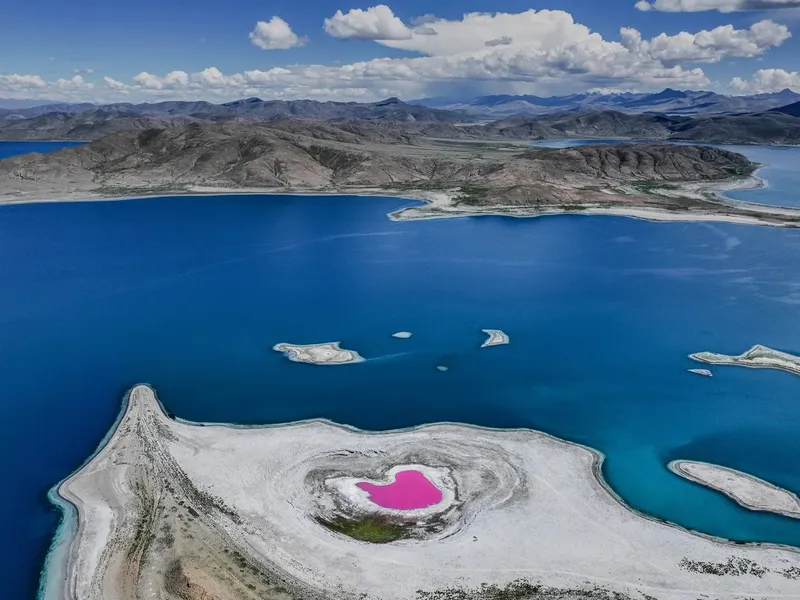
Yamdrok Lake, often shortened to "Yamdrok Tso" or called "Sheep Lake" in Chinese, is one of Tibet's three great sacred lakes. Its water shows an unreal blue, shifting from pale teal to deep indigo as the light and clouds change, breathtakingly beautiful. Most tourists only glance at it from the overlook at Kamba La Pass, snap a few photos, and rush away. But a loop drive around the lake reveals its most touching angles—the quiet hidden in lakeside villages, the temple on an islet in the middle of the lake, and the highland life scenes of herders with their yaks and sheep.
Yamdrok Lake lies in Shannan Prefecture, only about 100 kilometers south of downtown Lhasa, at roughly 4,400 meters elevation. It's the easiest sacred lake to reach from Lhasa and makes a great first self-drive destination for acclimatizing to the plateau. This guide lays out the complete loop route, the best viewpoints and timing, cost estimates, and self-driving safety tips, so you can upgrade a "quick stop" into a genuine "loop tour." Whether you're a seasoned driver or a first-timer on the plateau, you'll find practical advice here.
🏞️ Getting to Know Yamdrok Lake
- Location: in Shannan Prefecture, about 100 km south of Lhasa
- Elevation: about 4,400 meters
- Character: a long, winding sacred lake whose water shifts blue with the light, often called "the world's most beautiful lake"
- Highlights: lakeside pastures, villages, snow-mountain reflections, a temple on an islet, plus yaks and Tibetan gazelles you may encounter anywhere
- Significance: a sacred lake for Tibetan Buddhists; pilgrims circumnavigate it every year
🗺️ The Loop Route
Classic loop: after descending from Kamba La Pass to the shore, drive along the southern or northern shore, connecting villages and viewpoints. The full loop is about 200 km—doing it in one day is tight, so plan at least half a day to a full day.
Recommended route:
- Kamba La Pass viewpoint (overlook the full lake, most stunning first impression; a must)
- Descend to the shore → lakeside pastures/villages (see the water and livestock up close, feel highland life)
- Drive along the lake toward Nagarze/Drugo Temple (southern shore, the highlight section)
- Drugo Temple: a temple on an islet in the lake; a must for the loop, with excellent photos from the islet looking back across the water
Note: some loop sections are dirt or village roads, not paved—an SUV helps, and mind the conditions. You can also choose the paved route and focus on viewing. If time is short, just drive the highlight section from Kamba La Pass to Drugo Temple.
📷 Best Viewpoints & Timing
- Kamba La Pass: overlook the whole lake, the classic spot; best in morning light
- Close to the shore: clear water, great for reflections, clearest snow-mountain reflections at dusk
- Drugo Temple islet: look back across the lake from the island; sky, lake, and temple in one frame—highest shot rate
- Timing: before 10am / after 3pm, soft light and bluest water; at noon the contrast is strong and photos wash out
- On clear days the water is azure; on overcast days it turns gray—definitely go on a sunny day; on blue-sky days the lake's blue is purest
🚗 Transport & Self-Drive Tips
- From Lhasa: about 2 hours to Kamba La Pass, doable as a round trip in one day
- Cost reference: shared tour/day-trip about 300–500 RMB per person, chartered car about 1,200–1,800 RMB/day; self-driving only costs fuel plus viewpoint tickets/parking
- Some lakeside sections are winding and high-altitude: watch your speed, especially when passing
- Signal may be weak on the loop; download offline maps and carry enough fuel
- Novice drivers should slow down on tricky curves or leave it to a local driver
📌 Practical Tips
- High altitude (about 4,400 m): move slowly, guard against altitude sickness, carry oxygen
- Lakeside is windy with strong UV: bring a jacket, sunscreen, and sunglasses
- Respect Tibetan beliefs: don't throw trash into the lake, don't enter the sacred water carelessly
- When photographing, avoid stepping on wetlands to protect the fragile meadows
- Viewpoints like Drugo Temple may charge a fee or require a transfer; check on site
- Bring plenty of water and food; there are few supply points by the lake
❓ FAQ
Q: Is a one-day loop doable? A: It's tight. If you only do the highlight section from Kamba La Pass to Drugo Temple, one day is enough; for a full loop, plan a day and a half or more.
Q: Do I need an off-road vehicle for the loop? A: An SUV is safer on the highlight section; some dirt roads are passable by car but risky—a 4WD SUV is the most worry-free.
Q: Yamdrok Lake or Namtso? A: Yamdrok is closer to Lhasa and quicker, good for first-timers; Namtso has a vaster, more magnificent surface but higher elevation and a longer drive. If time allows, visit both.
What to combine with the Yamdrok loop
Yamdrok Lake sits on the edge of Shannan Prefecture, close enough to Lhasa to combine with a couple of other worthwhile stops. Many travelers link the lake with the Karu Glacier, a striking glacier that descends toward the road and offers an easy chance to see snow and ice up close on a day trip. Heading further south into Shannan, you can reach Tsetang and the Yumbu Lhakhang, one of Tibet's oldest buildings, said to be the first palace of the Tibetan kings. For a fuller day, pairing Yamdrok with a visit to Karu Glacier gives you both a sacred lake and a glacier in a single outing. If you're not self-driving, chartered-car and shared-tour options from Lhasa can string these stops together efficiently, so you make the most of your time on the plateau.
Understanding the elevation and acclimatization
At roughly 4,400 meters, Yamdrok Lake is higher than Lhasa itself, so altitude deserves real respect even though the drive is short. Many people feel fine at the viewpoint but underestimate the effect of walking around at this elevation. Move slowly, take breaks, and keep a portable oxygen canister within reach. It's wise to spend at least a night or two in Lhasa before attempting the lake trip, so your body has a chance to adjust. Stay well hydrated and avoid alcohol in the hours before you go. If anyone in your group feels dizzy, breathless, or nauseated, descend to a lower elevation rather than pushing on—the scenery will still be there when you're ready to return. A little caution turns an enjoyable day into a completely safe one.
What to photograph and how
The light at Yamdrok Lake changes the water's color from a deep sapphire to a pale turquoise, so a bit of timing and technique makes your photos stand out. Early morning, before the sun fully climbs, often gives the softest light and the bluest water. Late afternoon, as the sun drops behind the mountains, produces warm tones and longer shadows that add depth. At the Kamba La Pass, use a wide angle to capture the full sweep of the lake below. Near the shore, a polarizing filter reduces glare and deepens the blue of the water. When you reach Drugo Temple on its islet, frame the temple against the lake and mountains for a classic, memorable shot. Take a moment to simply watch the water change color with the clouds—some of the best "photos" are the ones you keep in memory rather than on a card.
What the weather is really like
The weather around Yamdrok Lake can change quickly, so dress in layers and stay flexible. Mornings are often clear and calm, but afternoons may bring wind that whips across the open water. Because of the altitude, the sun is intense even when the air feels cool, so sunscreen and sunglasses are essential throughout the day. Rain showers are possible in the warmer months, though they usually pass quickly. Check the forecast before you set out, and if clouds roll in, know that the lake turns a moody gray rather than its brilliant blue—so it's worth timing your trip for the clearest day you can manage. Being prepared for fast-changing conditions lets you enjoy the lake's beauty no matter what the sky does.
Local food and rest stops along the way
Along the route to Yamdrok Lake, especially near the shore and the Kamba La Pass, you'll find simple roadside restaurants and tea houses serving Tibetan staples. A warm bowl of noodle soup, a plate of momos (dumplings), and butter tea or sweet tea are common and give you a welcome break from the car. Just be prepared for simple menus and don't expect fine dining. It's a good idea to carry your own water and some snacks as backup, since supplies thin out the further you drive. Between the pass and the lakeshore, public toilets are limited, so take advantage of the facilities whenever you stop. These small practical touches make the day smoother and more comfortable.
The beauty of Yamdrok Lake is worth the drive around it. Don't stop at the viewpoint—go around and see the blues hidden by the shore: the smoke of pastures, the temple on the islet, the reflections under snow mountains. That's what it truly means to "have toured" Yamdrok. Pick a sunny day, slow down, and let this blue heal the fatigue of your journey.
Want a worry-free Yamdrok self-drive and itinerary arrangement?
Whether chartered car, shared tour, or full customization, our senior consultants can plan the best Yamdrok and Lhasa-surroundings route for you. Contact our trip designer now for a route and quote made for you.
Updated: August 2026 Author: RoamFun Senior Travel Consultant Questions? Contact us: vip@roamfun.net

RoamFun Senior Travel Consultant
Travel DesignerProfessional travel consultant, curating the most practical travel guides for you.