How to Choose a Train to Tibet? (Qinghai-Tibet Railway Types/Berths/Tickets)
Taking the train to Tibet is the first choice for many travelers stepping onto the snow plateau for the first time. Its greatest charm lies in going "step by step"—the train climbs slowly from Xining at around 2,000 meters, carries you through the Kekexili no-man's-land, and passes snow mountains, lakes, and grasslands with Tibetan antelopes, letting your body gradually adapt to the high altitude and greatly reducing the shock of altitude sickness. By comparison, flying is fast, but going from the plains to Lhasa at over 3,600 meters within hours leaves many people feeling noticeably unwell right after landing. That's why more and more travelers who value stability and scenery make the train their "first kilometer" into Tibet.
For travelers with a bit more time who don't want altitude sickness to disrupt their plan, the train is almost the ideal choice. You can quietly watch the sunrise cross the Kunlun Mountains by the window, chat with travelers from all over about their Tibet plans in the dining car, or lean back on your lower berth reading a guide and preparing for the journey ahead. Taking the train into Tibet is not just a move between modes of transport—it's a "slow journey." This guide lays out the Qinghai-Tibet Railway's train types, berth selection, ticketing tips, and high-altitude precautions to help you make the right decision.
🚆 Main Into-Tibet Trains
Qinghai-Tibet Railway into-Tibet trains (mainly Z-series):
- Z21: Beijing West → Lhasa, about 40+ hours in total
- Z165/Z265: Shanghai/Xi'an → Lhasa, serving eastern and northwestern China
- Z323: Chengdu → Lhasa, convenient for travelers from Sichuan and Chongqing
- Z6811/Z6812: Xining → Lhasa, the "plateau segment" train most travelers transfer to
Common route: Since Xining is the starting point of the Qinghai-Tibet Railway, most people fly or take the high-speed rail to Xining first, then transfer to the Xining→Lhasa high-altitude train. This saves the fatigue of a long overland ride while guaranteeing a complete "scenic journey" across the plateau. If you already plan to visit Qinghai Lake or Chaka Salt Lake, making Xining both your transfer point and your first stop is quite convenient.
Ticketing note: Peak-season (summer and autumn) into-Tibet train tickets are often hard to get, so plan ahead. If direct tickets are unavailable, try buying the Xining→Lhasa segment first and connect in stages. Many travelers also combine the train with a flight for the return leg, so they experience both the scenery of the railway and the convenience of air travel.
Which segment matters most?
The most scenic stretch of the Qinghai-Tibet Railway runs from Golmud to Lhasa, about 1,142 kilometers of track that crosses the Tanggula Pass (the world's highest railway pass at over 5,000 meters) and skirts the Qiangtang plateau. Even if you only have limited time, making sure you're on the train for this section means you won't miss the heart of the experience. In practice, many visitors book a direct train from their home city to Lhasa so they can enjoy the full route at a relaxed pace, while others opt for a shorter connection that still covers the legendary high-plateau segment. Either way, planning your berth and seat around this section pays off in the most memorable scenery.
How long should you allow for the journey?
A full train ride into Tibet typically takes anywhere from 22 to over 40 hours depending on your departure city. If you're short on time, flying is clearly faster, but the train lets you adapt gradually and arrive more refreshed. Many travelers deliberately add an extra night in Xining before boarding, so their bodies begin adjusting to altitude even before the plateau segment begins. For families with children or older travelers, breaking the trip into stages and choosing a soft sleeper makes the long ride far more comfortable and reduces the physical strain that can trigger altitude problems later.
🛏️ Choosing Your Berth
| Berth | Features | Who It Suits |
|---|---|---|
| Hard seat | Cheapest, uncomfortable long-haul | Budget travelers |
| Hard sleeper | Good value, can lie down | Most travelers |
| Soft sleeper | More comfortable, 4-person compartment | Comfort seekers, families |
Advice:
- The lower hard-sleeper berth has the most space and is easy to get up from; the upper is quieter but tighter and harder to climb into
- The soft-sleeper 4-person compartment is more private with a closable door; recommended when traveling with elderly or children
- On long trips (20+ hours), at least choose a hard sleeper—staying awake overnight in a hard seat drains your energy and hurts your acclimatization
- Hard sleeper on the plateau train costs about 500–700 RMB, soft sleeper about 800–1,000 RMB (subject to actual fares); the difference is mainly comfort
Money-saving tip: If your schedule is flexible, watch for tickets on non-weekends and non-holidays; in the low season (winter) prices are stable and supply is more plentiful.
🎫 Ticketing Tips
- Book early: into-Tibet trains sell out in peak season; booking 15 days ahead when 12306 releases tickets gives the best success rate
- Transfer at Xining: if direct tickets from Beijing/Shanghai are hard, buy the two segments (to Xining, then Xining to Lhasa) separately
- Standby/segments: if no direct ticket, use 12306's standby function or buy in segments
- Always buy through the official 12306 channel; use trusted sources and beware of ticket-reselling and markup scams
- Children, students, and other special categories get discounts; check eligibility when booking
🌄 Scenery Along the Way
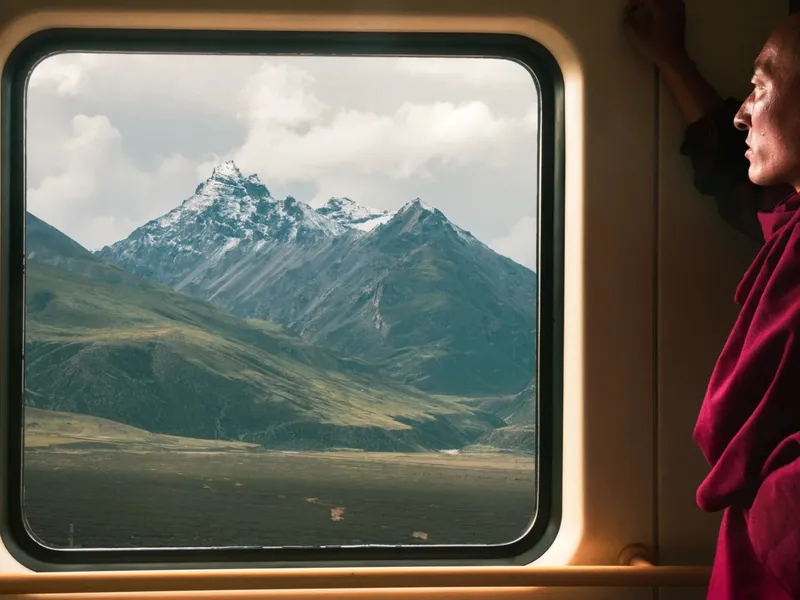
- After Golmud you officially enter the plateau, with snow mountains, the Kunlun range, Kekexili Tibetan antelopes, and Co Ngoin Lake
- The "moving scenery" of snow peaks, grassland, and lakes is unique to the into-Tibet train—a single photo from your phone can be a masterpiece
- Sit by the window, especially when morning and dusk light are best, and don't miss the views
- The Kekexili section is where Tibetan antelopes concentrate; be patient and you'll often spot herds of gazelles and Tibetan antelopes
⚠️ High-Altitude Train Tips
- Oxygen: high-altitude trains provide full oxygen supply through the cabins, so usually it's not a problem
- Altitude sickness: you may still feel it after entering Tibet; bring a portable oxygen canister (available/buyable on board and in Lhasa)
- Keep warm: the plateau has big day-night temperature swings and cold nights; bring a warm jacket, fleece, or a light blanket
- Food: a dining car is available but the menu is simple; bring chocolate, nuts, and other snacks for energy
- Documents: an ID is needed; if you plan to visit border areas like Everest or Ali, get a border permit in advance
- Hydrate: the plateau is dry—drink plenty of water and avoid alcohol to adapt faster
📌 Practical Tips
- Xining is the main transfer point; you can spend a couple of days in Qinghai first to let your body adapt
- The train suits first-timers and those with plenty of time; if you're in a hurry, flying is better
- On long hard-seat rides, move your legs and stand up regularly to prevent deep-vein thrombosis
- Phone signal is weak on some plateau sections; download movies and offline maps in advance
- After arriving in Lhasa, rest for half a day to a day before rushing to attractions, giving your body time to adjust
❓ FAQ
Q: Will taking the train guarantee no altitude sickness? A: Not necessarily. The oxygen-supplied train helps, but reactions vary; keep resting and avoid strenuous activity after entering Tibet.
Q: Is the train suitable for elderly and children? A: Yes. Soft sleepers are comfortable and let you lie flat, and the gradual altitude gain is gentler than flying, but bring enough oxygen and warm clothing.
Q: What is winter train travel to Tibet like? A: Winter has fewer people and easier tickets, with magnificent snow views, but it's colder and some mountain passes have ice, so bring full winter gear.
Q: Can I buy a sleeper at the station on the day of travel? A: It's not recommended. Peak-season berths sell out days or weeks in advance, and last-minute hard seats are often all that remain. Booking through 12306 as early as possible gives you the best choice of berth.
Q: Do I need a permit or special documents to ride the train into Tibet? A: A valid ID is enough for the train itself. However, if your itinerary later takes you to border areas such as Everest Base Camp, Ali, or Shigatse near the frontier, you'll need a border permit. It's wise to arrange this before you travel so it doesn't delay your onward plans.
What should you pack for the train ride?
Beyond the essentials, a few thoughtful items make the long ride far more pleasant. A reusable water bottle lets you stay hydrated easily, which is especially important at altitude. Snacks like dried fruit, nuts, and energy bars bridge the gap between dining-car meals and help keep your energy up. A small travel pillow, sleep mask, and earplugs turn an overnight stretch into restful sleep, so you arrive in Lhasa feeling more refreshed. Compression socks and comfortable shoes protect your legs on a long ride, and a lightweight layer is always useful because cabin temperatures can vary. Finally, keep your camera and power bank within easy reach—the scenery outside the window changes constantly, and you won't want to fumble for your gear when a herd of antelopes appears.
A train into Tibet is a "slow journey," with snow and lakes that flying can't offer. Choose the right berth, buy your ticket, bring enough oxygen and warm clothing, and you'll ride comfortably into Lhasa—a great start to your snow-plateau trip. May your journey into Tibet begin with your first snow mountain outside the window, full of surprise and anticipation.
Want a tailor-made transport and itinerary plan for entering Tibet?
Whether by train, plane, or private car, our professional consultants can plan the most suitable route, berth, and ticketing arrangements for you, helping you avoid the trouble of altitude sickness so your trip starts off easy and worry-free. Contact our senior trip designer now for a plan made just for you.
Updated: August 2026 Author: RoamFun Senior Travel Consultant Questions? Contact us: vip@roamfun.net

RoamFun Senior Travel Consultant
Travel DesignerProfessional travel consultant, curating the most practical travel guides for you.