Norbulingka (Summer Palace) Travel Guide: Highlights, Tickets & the Shoton Festival
Bottom line: Norbulingka was the summer palace of successive Dalai Lamas and Tibet's largest man-made garden. A relaxed 2–3 hours covers the highlights — do not miss the giant mural corridor inside Takten Migyur (New Palace) and the deer and pigeons roaming the gardens. If you come in August during the Shoton Festival, you will also catch authentic Tibetan opera here.
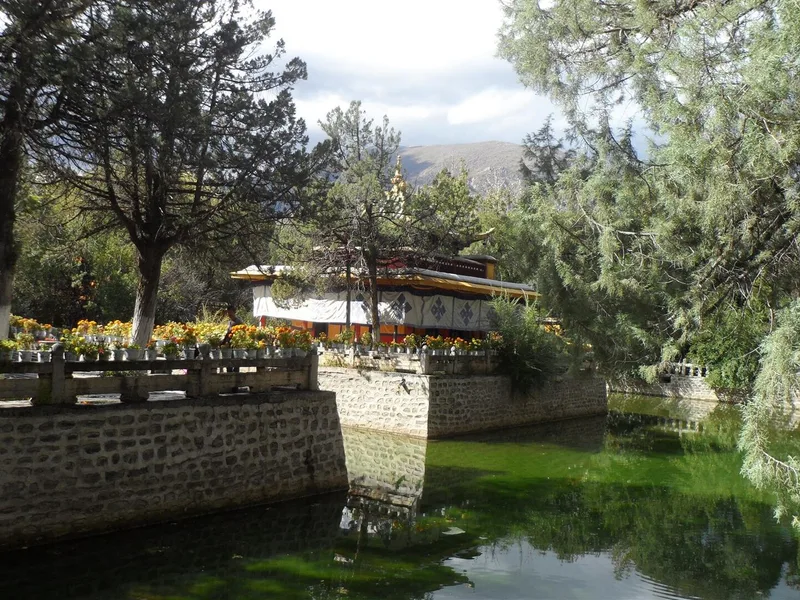
Lhasa's "winter palace" is the Potala; its "summer palace" is Norbulingka — both UNESCO World Heritage. Where the Potala is monumental, Norbulingka is serene: artificial lakes, pavilions, flowers and Tibetan palaces layered together, and local families still come to pitch tents and picnic here (known as "glingka"). This guide covers the layout, what to see, when to come and how to combine it with your day.
1. What exactly is Norbulingka?
- Location: Luobulin Road, Chengguan District, Lhasa — about 3 km west of the city center, a 10-minute taxi ride.
- History: begun around the 1740s under the 7th Dalai Lama, expanded by later Dalai Lamas as the summer residence and seat of government business.
- Scale: roughly 36 hectares with 400+ rooms — Tibet's largest man-made garden and one of the highest gardens in the world.
- Heritage: listed in 2001 as an extension of the "Historic Ensemble of the Potala Palace" World Heritage site.
Each year in the third to ninth Tibetan months the Dalai Lama moved here from the Potala — hence "summer palace." For visitors it means Tibetan garden aesthetics plus a condensed slice of modern Tibetan history.
2. The three palaces and what to see
1. Kelsang Phodrang (Gesang Potala, 1755)
The earliest major structure — a three-storey Tibetan building. Look for the painted murals of the ground-floor assembly hall, the carved stair to the second floor, and the enshrined deities and thangkas. Small but authentic.
2. Serpai Phodrang (Golden Potala, completed 1926, 13th Dalai Lama)
More ornate — yellow walls and golden roofs. Highlights: the "two deer listening to the Dharma" mural on the porch, richly painted halls, and the courtyard's ancient trees, peacocks and deer.
3. Takten Migyur Phodrang (New Palace, built 1954–56)
The youngest and most rewarding building. Highlights:
- The 100+ metre mural corridor on the second floor — from Tibetan creation myths to historical events, often called "Tibetan history painted on walls";
- Rooms blending Tibetan shrines with modern meeting spaces — an East-meets-West curiosity;
- The New Palace's bright facade, the most photogenic building in the complex.
Elsewhere
Wander deeper to the lakeside pavilions and Dragon King Hall. Locals laying out carpets and tents for tea and card games is itself part of the scenery — an everyday taste of "glingka" life.
3. Tickets, hours and booking
| Item | Details |
|---|---|
| Opening hours | About 9:00–17:00 (last entry near 17:00; confirm on the day) |
| Peak-season ticket | About 80 RMB/person (summer, reference) |
| Off-season ticket | About 60 RMB/person (reference) |
| Discounts | Student/senior half price with ID; Tibet's winter campaign often makes it free or half price |
| Booking | Official channels or on-site; in peak season reserve a day ahead via the official Tibet booking mini-program |
💡 Heads-up: Tibet's ticket and discount policies change often — always confirm with the day's official notice and mini-program. From November to March, "Winter in Tibet" campaigns frequently make Norbulingka free.
4. A 2–3 hour walking route
- Enter the main gate, stroll the main path past Tibetan-style facades (~20 min).
- Kelsang Phodrang: tour inside, ~15 min.
- Walk to Serpai Phodrang: courtyards, murals, say hi to the peacocks (~20 min).
- Takten Migyur (the star): go upstairs and take your time on the mural corridor — allow at least 30 min.
- Garden loop: wander back along the lake past trees, flowers and pigeons (~30 min).
Best pairing: hit the Potala or Jokhang in the morning, then arrive at Norbulingka around 15:00 for softer light and fewer people. Food options inside are limited — bring water and snacks.
5. Shoton Festival: Tibetan opera at Norbulingka
Each year around August (the 30th day of the 6th Tibetan month onward), Lhasa celebrates Shoton (Yogurt Festival). Traditionally the Drepung Monastery unveils its giant thangka at dawn, while Norbulingka is the home of Shoton's Tibetan opera: troupes from across Tibet perform on garden stages for several days as families watch from their tents over butter tea. To feel the most authentic festival spirit, plan Lhasa for August.
6. FAQ
Q1: Norbulingka or the Potala — which is better? A: They don't compete. The Potala is palaces and history; Norbulingka is gardens and life. With time, do both — allow 2–3 hours each.
Q2: Is it easy with kids and seniors? A: Very. Flat paths, shade and greenery make it far easier than climbing the Potala — a UNESCO site perfect for a slow family visit.
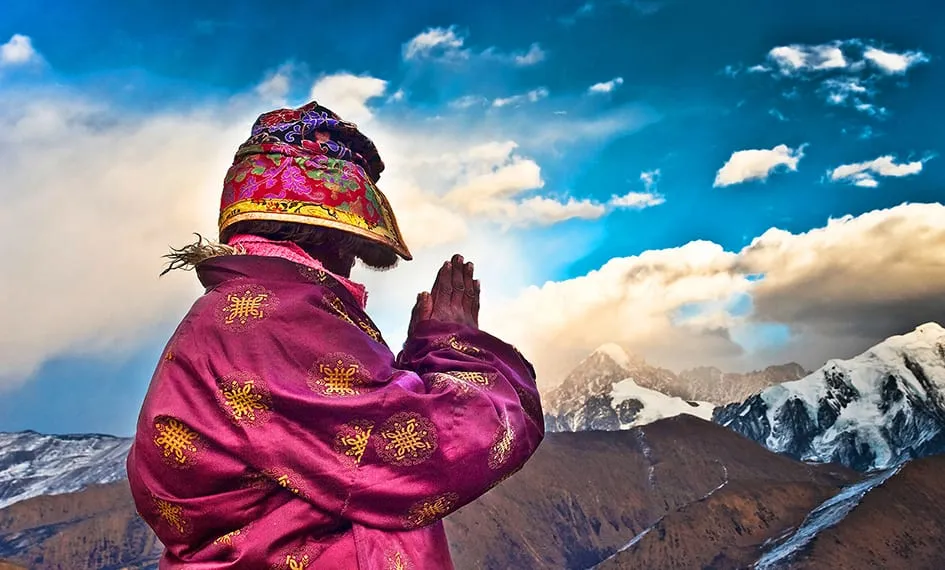
Q3: Can I take Tibetan-style photos here? A: Yes — the varied scenery makes it one of Lhasa's top spots for traditional costume shoots. Just don't photograph murals or shrine interiors.
Q4: Best month to visit? A: June–September is greenest; August has the strongest Shoton atmosphere; winter (often free, uncrowded) is lovely too.
7. What travelers say
"I spent nearly an hour in the New Palace's mural corridor — from myths to modern history, like a living history book. There were even deer in the garden; my kid loved it." — Ctrip user
"Came in August during Shoton. The gardens were full of Tibetan families with tents, and when the opera began the whole place pressed in — so much life." — Xiaohongshu user
8. Summary
Lhasa's first impression is the Potala; its second should be Norbulingka — a window into how Tibetans enjoy life. Palaces, murals, gardens and Shoton opera give you a 2–3 hour experience completely different from the Potala. Schedule Norbulingka for the afternoon, slow down — slowing down is the point.
Craving a worry-free yet free-spirited journey?
Don't want to plan it yourself? Contact our senior trip designer now for a route and quote tailored to you.
Updated: September 2026 Author: RoamFun Senior Travel Consultant Questions? Contact us: vip@roamfun.net

RoamFun Senior Travel Consultant
Travel DesignerProfessional travel consultant, curating the most practical travel guides for you.