Eat Till You Can't Move! 10-Day Real Food Guide for Western Sichuan & Sichuan-Tibet Highway—Stop Eating Overpriced Plain Noodles
Many online hype western Sichuan's scenery but discourage food, saying "nothing but plain noodles in Tibetan areas," "high-altitude rice is always undercooked," "nothing but expensive yak hot pot."
Listen to me—that's because they only got scammed at scenic-entrance tourist traps! I've run the Sichuan-Tibet Highway and western Sichuan for 15+ years—most of my belly fat grew in roadside hole-in-the-walls. Yes, high altitude means pressure cookers are needed. But find the right places—matsutake stewed chicken, alpine yak beef, stone pot chicken, plus 2-yuan street yogurt—your happiness index will be maxed out. This guide skips the fluff and gives you the treasure restaurants and anti-scam truths from 15+ years on the road.
📍 Don't Rush Out! Essential Information First
| Item | Core Data & Rating | Notes |
|---|---|---|
| Best Food Season | May - October | Summer: mushrooms like matsutake in season, meat at its best |
| Recommended Days | 7-10 days | Eat along the route, no repeats |
| Per-Person Food Budget | 80-150 yuan/day | Flexible, occasional splurge is ~100 per person |
| Hardcore Anti-Scam Level | ★★★★☆ | High-altitude ordering has rules, wrong choices upset stomach |
🗺️ Hard-Earned Itinerary—Just Follow Along
No commando style—enjoy the wildest scenery while eating the most authentic food. The food rhythm for these routes is arranged for you:
- D1: Chengdu ➔ Kangding (Food Starting Point: From Spicy Sichuan to Tibetan Flavors)
- Noon: Eat authentic Ya'an fish in the "Rain City" Ya'an—clay pot stewed soup, milky white, so fresh your eyebrows fall off.
- Evening: In Kangding, find a Tibetan tea house by the Zheduo River. Don't rush into heavy meat—start with a pot of Tibetan sweet tea and some tsampa to let your stomach acclimatize. Evening: try Kangding locals' firewood chicken—corn cakes stuck around the pot edge, dipped in spicy sauce—amazing.
- D2: Kangding ➔ Xinduqiao (Crossing Zheduo Mountain, Hardcore Alpine Meat Feast)
- Morning: Crossing Zheduo Mountain tests driving—occasional black ice. Fortunately, our Tank 300 with 4WD engaged, solid chassis, heating on—not nerve-wracking at all.
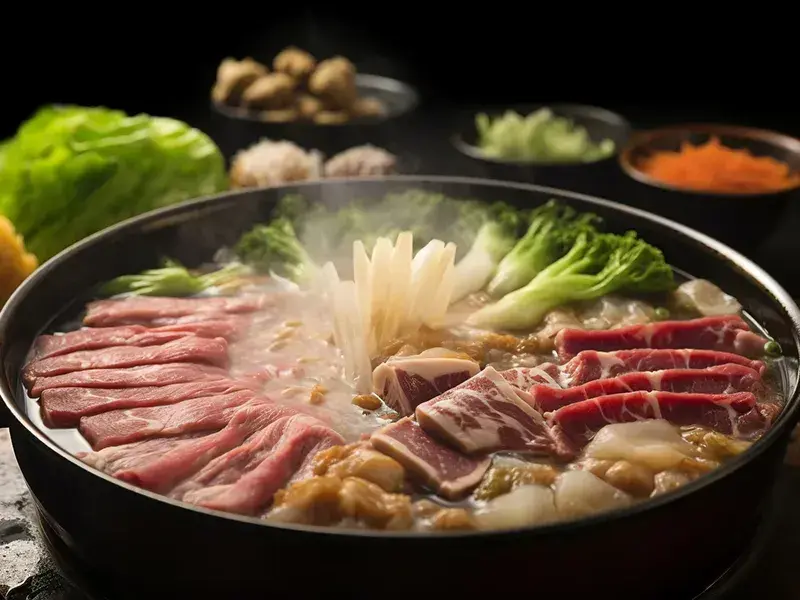
- Noon: Down from Zheduo Mountain to Xinduqiao, with mild high-altitude buzz, must have alpine yak beef hot pot. Ask the boss to add extra white radish—alpine yak beef is firm, drink two bowls of broth first, instantly warmed.
- D3: Xinduqiao ➔ Litang (World's Highest Town's Wild Mushroom Feast)
- Evening: Litang is over 4000m—truly high. No alcohol tonight! Have alpine stone pot chicken—with wild matsutake and palm ginseng foraged by local mountain people. Stone pot retains heat excellently, keeping broth boiling at high altitude. After chicken, cook local plateau potatoes in the broth—soft, fluffy, sweet.
- D4: Litang ➔ Daocheng Yading (Sichuan Flavor on the Plateau)
- Noon: Many Ganzi locals run Sichuan restaurants along the way—don't mind the humble appearance. Order twice-cooked pork and mapo tofu. High-altitude cooking is tough, but these masters use pressure cookers—the meat is more thoroughly cooked than inland, super rice-friendly.
🎒 Veteran's Kit: Bring Right, Not Much
Eating well on the Sichuan-Tibet route depends not only on restaurants but also on your own "supplies"—which determine the happiness index of the journey:
- **High-Calorie Road Food**: Snickers, beef jerky, high-percentage dark chocolate. Lifesavers when stuck at mountain passes.
- **Stomach Guardians**: Zhenglu pills, digestive tablets, probiotics. High altitude weakens digestion, causes bloating.
- **Stomach Warmer**: Thermos (800ml+). At a minus-degree pass, a sip of boiling hot water beats everything.
- **Heat-Clearing Sachets**: Chrysanthemum tea or honeysuckle. Tibetan-area food is spicy and meat-heavy; dry plateau easily causes internal heat and sore throat.
💡 Heart-to-Heart Truths (Anti-Scam Guide)
The truth about high-altitude rice: Don't order fried rice at shops above 3500m! Low air pressure means water boils at 80-some degrees—regular pots can't fully cook rice. Many shops skip pressure-cooking for convenience, producing rice hard as sand—extremely stomach-damaging. For carbs, choose noodles, rice noodles, or Tibetan noodle soup (aka panels).
The yak beef price scam: Those big red signs saying "58 yuan yak beef buffet hot pot"—listen to me, skip them. Real pure yak beef has low yield and high cost—this price can't even cover wholesale. Most of what you get is frozen regular beef or old yellow beef. For authentic yak, find Tibetan-run shops that sell by weight—pricier, but the meat aroma and chew are completely different.
Ordering restraint: First three days at altitude—eat 70% full per meal. Digesting food requires massive oxygen—if you binge, blood rushes to the stomach for digestion, brain oxygen deprivation directly triggers or worsens altitude sickness.
📸 Don't Shoot Blindly—These Spots Are Stunning
- Xinduqiao Black Barley Field Edge (5 PM): Find a Tibetan tea stall, place butter tea in a wooden bowl on a wooden table, background: backlit barley waves with golden edges. Phone wide aperture close-up—incredibly wanderlust-inducing.
- Litang East Gate Roadside Picnic (12 PM): Don't eat inside—buy 500g of freshly cut cooked yak beef from the market, bring a few plateau flatbreads. Park by an open meadow, sit on the Tank 300's tailgate, meat in one hand, bread in the other, snow mountain behind—panorama shot that'll make friends jealous.
💬 Classic Questions Asked 800 Times (FAQ)
- Q: Can Tibetan food and butter tea really relieve altitude sickness?
- A: True, not mysticism. Butter tea contains high-calorie fat and salt—rapidly replenishes energy consumed at altitude. Theophylline energizes and promotes circulation. If first sip is unacceptable, try sweet tea—tastes like Hong Kong milk tea, 100% acceptance.
- Q: Is it convenient to find food with a regular sedan on this route? Road conditions?
- A: Most of G318 Sichuan-Tibet Highway is now paved—sedans are fine. But to reach authentic Tibetan villages or wild matsutake shops in the mountains, many require several km of gravel or water-crossing roads. Low sedans scrape. With an off-road vehicle, your food-finding radius expands tenfold.
- Q: Are vegetables expensive along Tibetan routes?
- A: Yes. Tibetan areas don't produce much green leafy vegetables—most are trucked from Chengdu or low-altitude areas. A plate of stir-fried romaine at a plateau restaurant may cost more than twice-cooked pork. Eat more tomatoes, potatoes—easy-to-store vegetables—or bring vitamin supplements.
🪵 Written at the End—Your Scenery Is Already on the Way
When you're out adventuring, eating isn't just about filling your stomach—it's the most direct way to experience this land. When you sit beside a Tibetan heated kang at thousands of meters altitude, hearing howling wind outside, facing a pot of bubbling beef offal soup—that's when you understand hardcore outdoor romance.
Exploring these routes that test stomach capacity and driving skills alone is exhausting—high-altitude ordering and lodging have hidden barriers everywhere. If you can't be bothered to plan, or want to customize a no-rush, authentically-eating, pure-enjoyment off-road small group, message our route designers anytime (1V1 customization). We're in Chengdu/Lhasa, with the most authentic hole-in-the-walls waiting for you.
Updated: June 2026 Author: RoamFun Senior Travel Consultant Questions welcome: vip@roamfun.net
Craving a worry-free yet free-spirited journey?
Don't want to plan it yourself? Contact our senior trip designer now for a route and quote tailored to you.
Updated: August 2026 Author: RoamFun Senior Travel Consultant Questions? Contact us: vip@roamfun.net

RoamFun Senior Travel Consultant
Travel DesignerProfessional travel consultant, curating the most practical travel guides for you.