
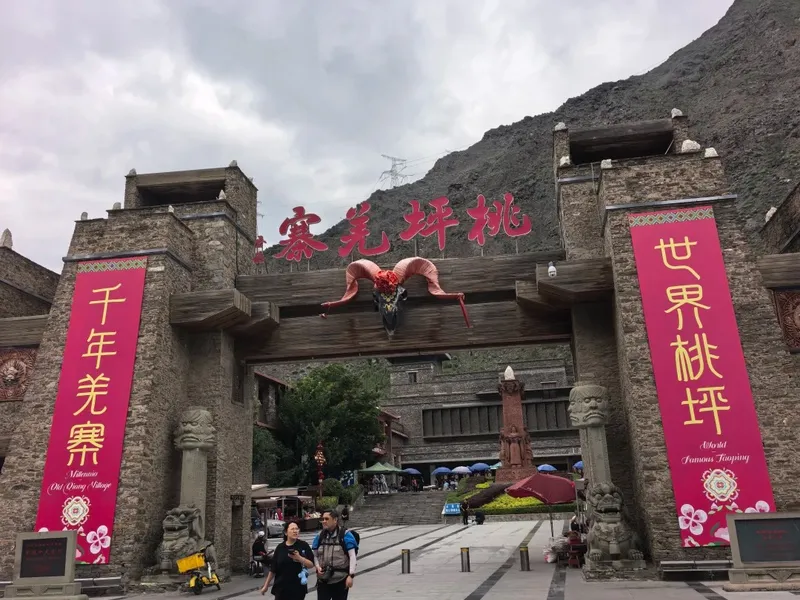
Taoping Qiang Village (Ancient Watchtowers): How to Play
Taoping Qiang Village is a thousand-year-old Qiang village, called the "living fossil of Qiang architecture." With towering watchtowers, maze-like lanes, and a unique underground water system, it's a fascinating place to experience Qiang culture.
This guide covers how to play.
Yet Taoping has its catches. The maze lanes are easy to get lost in without signs or a guide; the watchtower stairs are steep and not for the unfit; and respecting Qiang customs matters—entering houses uninvited is unwelcome. Picking the wrong time (rainy season landslides, deep winter cold) also dampens the trip. This guide covers the sights, access, costs, and a plan, so you experience Qiang culture calmly.
🏘️ About Taoping Qiang Village
- Location: Taoping Town, Li County, Aba Prefecture, about 150 km from Chengdu
- Features: ancient Qiang village, watchtowers, maze lanes, underground water network
- Nickname: "living fossil of Qiang architecture," "Eastern ancient fortress"
- Sights: watchtowers, lanes, houses, Qiang life
🗺️ What to Do
- Watchtowers: tall ancient towers, the village's symbol; climb for views
- Maze-like lanes: winding lanes, fun to wander
- Qiang houses: traditional stone houses, learn the architecture
- Underground water network: the unique ancient water system
🚗 How to Get There
- Route: Chengdu → Dujiangyan → Wenchuan → Li County → Taoping, about 2.5–3 hours
- Along Highway 317, convenient
- Good roads
🎫 Ticket
- Taoping Qiang Village: ~60–100 CNY (subject to year); some areas may charge
📅 Best Time
- All year, pleasant climate
- Avoid the rainy season (landslides) and deep winter
📌 Practical Tips
- Lanes are narrow, easy to get lost; follow signs or hire a local guide
- Watchtower stairs are steep; climb carefully
- Respect Qiang customs; ask before entering houses
- Combine with Li County, Wenchuan sights
- Protect the ancient buildings; don't carve
💰 Cost & ticket reference
- Ticket: ~60–100 CNY (subject to year); some areas may charge separately
- Guide: a local guide ~50–100 CNY, helps you not get lost and explains the culture
- Lodging: Li County town or nearby B&Bs ~150–300 CNY/night
- Transport: Chengdu self-drive ~2.5–3 hrs; bus via Wenchuan
🗓️ Itinerary suggestion
- Half-day: Chengdu → Taoping → watchtowers + maze lanes + water network → return
- 1-day (relaxed): combine with Li County Qiang culture museum or Wenchuan sites
- Best: all year pleasant; avoid rainy season (landslides) and deep winter
Why it's worth visiting
Taoping isn't a rebuilt " folk village"—it's a living thousand-year Qiang settlement. The watchtowers were built for defense, the maze lanes for refuge and ambush, and the underground water network still supplies the village today. Walking among stone houses and listening to a local explain how the Qiang survived on the plateau, you feel a real, unbroken culture—not a performance. Climb a tower for the valley view, wander the lanes, and you'll understand why it's called a "living fossil of Qiang architecture." For travelers who want culture over scenery, Taoping rewards attention.
❓ FAQ
- Easy to get lost? Yes, lanes are a maze; follow signs or hire a local guide.
- Fit for elders? Tower stairs are steep; go slow, or enjoy the lanes and houses instead.
- Combine with what? Li County Qiang museum, Wenchuan sites, or the route to Heishui/Maoxian.
Taoping Qiang Village is a "living thousand-year fortress." Watchtowers, lanes, and water systems hold the wisdom of the Qiang ancestors. Wander the maze and you'll understand the enduring legacy of Qiang architecture.
When you climb a tower and look out over the stone village nestled in the valley, with the maze of lanes below holding a thousand years of Qiang wisdom, you'll feel history is still alive here. Hire a local guide, walk slowly, and Taoping gives you the most authentic taste of Qiang culture in Sichuan.
Craving a worry-free yet free-spirited journey?
Don't want to plan it yourself? Contact our senior trip designer now for a route and quote tailored to you.
Updated: August 2026 Author: RoamFun Senior Travel Consultant Questions? Contact us: vip@roamfun.net

RoamFun Senior Travel Consultant
Travel DesignerProfessional travel consultant, curating the most practical travel guides for you.