Niubeishan Cloud Sea & Sunrise Guide: Gongga Snow Mountain Viewpoint — How to Get There, Where to Stay & Best Months
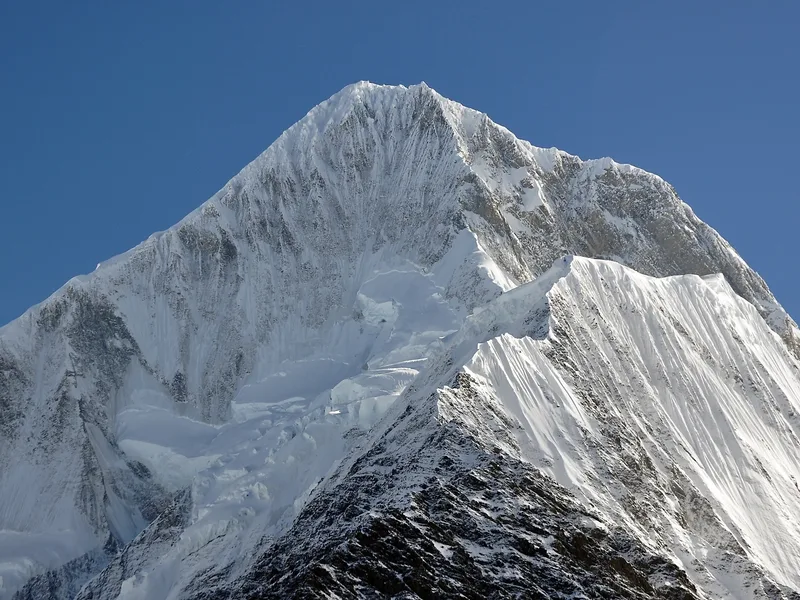
Bottom line: Niubeishan's fame rests on a 3,666 m summit with a full 360° panorama — above the cloud sea the Gongga peaks line up one by one; at sunrise they catch fire, and after dark the Milky Way pours down. Since reopening as a scenic area you take a shuttle from the visitor center below plus stay overnight at the summit camp to get the full experience. The best windows are April–May and September–November — clear skies decide everything, so track the forecast before you go.
In photography and outdoor circles, Niubeishan carries a simple, bold name: "China's largest viewing platform." It sits on the border of Yingjing (Ya'an) and Luding (Garzê), directly facing the east flank of Gongga Mountain, with an unobstructed summit view combining cloud seas, Buddha's light, starry skies and golden sunrise — the "four wonders." For travelers who don't want to hike with heavy packs, reaching the top is now easy: take the shuttle, stay in the tent camp, and roll out of bed to watch the sunrise.
1. Can you still visit Niubeishan now? (Check the opening status first)
Niubeishan was closed for renovation for years before reopening under scenic-area management. Important: the area has periodically closed for short periods for upgrades or weather, and ticket/shuttle policies change from time to time. Before setting out, confirm the day's opening status and prices through the official WeChat account or hotline so you don't drive there for nothing.
2. Getting up the mountain: tickets and shuttle
| Step | Details |
|---|---|
| Approach | Usually enter from the visitor center on the Lengqi Town side in Luding County (navigate to "Niubeishan Scenic Area") |
| Shuttle | Visitor center → Changhaizi → summit, about 1.5 hours one way, with a transfer |
| Ticket + shuttle | Reference combined price around 200 RMB/person (varies widely — check official sources) |
| Private cars | Generally not allowed to the summit; everyone takes the scenic-area shuttle |
| Summit lodging | Tent camps (triangular tents / star dome tents etc.); book ahead in peak season |
Special note: staying at the summit is the prerequisite for experiencing Niubeishan's sunrise and sunset — a same-day round trip will almost certainly miss the golden peaks and stars — so book your room and your ticket together.
3. Where to stay on the summit?
Summit lodging is mainly the scenic area's tent camp, in several tiers:
- Budget triangular tents: basic windproof and warm, shared bathrooms — for travelers on a budget who are there for the views;
- Premium star tents / domes: private bathrooms and viewing windows; on clear nights you can watch the stars from bed — higher price;
- In peak periods (holidays, summer, autumn foliage) rooms run tight — book 1–2 weeks ahead; facilities on the summit are limited, so bring your own toiletries.
💡 At 3,666 m, don't shower or over-exert on your first night at the summit; a mild headache is normal for most people — carry oxygen and basic medicine. Night temperatures can drop below 0°C even in summer, so bring enough down jacket/fleece layers.
4. When is it most beautiful?
| Season | Characteristics |
|---|---|
| April–May | Air grows clearer; high probability of cloud-sea sunrises; spring greenery |
| June–August | Rainy season — more cloud seas but fewer clear windows; only worth it during a string of sunny days |
| September–November | Best of the year — crisp autumn air, highest Gongga visibility |
| December–March | Stunning snowscapes but frigid and windy; watch for icy roads |
Rule of thumb: visibility toward Gongga matters more than temperature — start tracking the "Niubeishan/Luding" forecast 3 days out and go up mid-way through a run of clear days for the best odds of golden peaks and cloud waterfalls.
5. The "four wonders" and photography tips
- Cloud sea / cloud waterfall: in the morning or afternoon, the cloud sea surges below your feet and sometimes spills over the ridge like a waterfall — bring a camera and tripod;
- Golden sunrise: at dawn the Gongga peaks turn to gold; the east-facing summit platform is the best spot — ask camp staff for the exact sunrise time;
- Starry sky / Milky Way: on moonless nights light pollution is almost zero; in summer the Milky Way spans overhead and even long phone exposures come out well;
- Buddha's light: largely luck — most often seen in the morning above the cloud sea.
Gear: wide-angle lens, tripod, spare batteries (they drain fast in the cold), ND filter (for silky cloud-waterfall shots).
6. Sample itinerary from Chengdu
- Getting there: about 4–5 hours' drive from Chengdu to the Lengqi visitor center (via the Yakang Expressway toward Luding); 2-day small groups with transport included are also available.
- 2-day reference: Day 1 depart Chengdu → arrive at the visitor center in the afternoon → shuttle up → sunset and cloud sea in the evening → overnight at the summit; Day 2 wake early for the golden sunrise → breakfast → descend → back to Chengdu.
7. FAQ
Q1: Is altitude sickness a concern at Niubeishan? A: 3,666 m is already high altitude. People who have never been above 3,000 m may get headaches or shortness of breath. Ascend gradually, carry oxygen, avoid strenuous activity, and descend promptly if symptoms are clear.
Q2: Can seniors and children go? A: They can, depending on fitness. The shuttle reaches the summit — no hiking required. Still, given the altitude and big temperature swings, those with cardiovascular conditions and infants/toddlers should not go up.
Q3: Can I fly a drone at the summit? A: Wind restrictions and no-fly rules are common at the summit, and high-altitude winds make crash risk real. Ask camp staff on site before taking off.
Q4: Is it worth going up in bad weather? A: No. Niubeishan's entire appeal depends on visibility — in rain or fog there's nothing but white. Reschedule without hesitation when the weather is poor.
8. What travelers say
"Went up in May — the cloud sea stretched to the horizon like an ocean and the Gongga range glittered gold. In that moment everything felt worth it. Watching stars from the summit dome tent was pure magic." — photographer user
"Checked for three consecutive sunny days in advance, and the sunrise golden peaks didn't disappoint. Heads up: it's genuinely cold at the summit — you need a down jacket even in June!" — Xiaohongshu user
9. Summary
Niubeishan is a journey that demands the right "heavenly timing" — book your summit tent, track the clear-weather window, pack warmth and oxygen, and let this 360° platform do the rest. When the snow peaks of Gongga are lit by the first ray of sunlight in front of you, you'll understand why it's called "China's largest viewing platform." Before you leave, don't forget to confirm the area is open.
Craving a worry-free yet free-spirited journey?
Don't want to plan it yourself? Contact our senior trip designer now for a route and quote tailored to you.
Updated: September 2026 Author: RoamFun Senior Travel Consultant Questions? Contact us: vip@roamfun.net

RoamFun Senior Travel Consultant
Travel DesignerProfessional travel consultant, curating the most practical travel guides for you.