Tough Talk Won't Help! 10-Day Foodie Anti-Scam Guide for Western Sichuan & Sichuan-Tibet Highway: Goodbye Diarrhea, Only Hole-in-the-Walls Locals Go To
Trust me, at 3000-4000m altitude, what destroys your willpower isn't altitude sickness—it's diarrhea and undercooked rice.
Last month I led a group on the Sichuan-Tibet Highway. A guy in the team claimed an "iron stomach," daily demanding to try various viral "wilderness stone-plate BBQ" and "wild mushroom pots." Result: day 3 in Litang, diarrhea to the point of collapse, combined with altitude sickness, evacuated overnight on oxygen. Those online "Western Sichuan Food Check-in Maps"—nine out of ten are written from imagination in air-conditioned rooms, many shops locals have never even heard of.
Western Sichuan and the Sichuan-Tibet Highway, due to high altitude and low air pressure, water boils at only 80-90°C, plus extremely high supply transport costs. The real hardcore foodie approach isn't checking Dianping—it's understanding plateau local "unspoken rules." Today, no fluff—I'm giving you everything I've learned with my stomach as tuition over 15+ years on the road.
📍 Don't Rush Out! Essential Information First
Before entering the mountains, etch these hard facts about western Sichuan/Sichuan-Tibet dining into your brain. At altitude, safety and thorough cooking always come first.
| Indicator | Core Data & Advice |
|---|---|
| Best Food Season | May-October (Zheduo Mountain and Litang best supplied, beef/lamb at its finest) |
| Recommended Days | 7-10 days (following the Western Sichuan Grand Loop or G318 pace, eating along the way) |
| Per-Person Food Budget | 80-150 yuan/day (plateau vegetables cost more than meat, overall spending is higher) |
| Stomach Challenge Level | ★★★☆☆ (high-altitude digestion weakens, avoid binge eating and cold/raw) |
🗺️ Hard-Earned Itinerary—Just Follow Along
This route covers the essence of the Western Sichuan Grand Loop and G318. We're not discussing scenery—only how to eat lunch and dinner without overturning your stomach.
D1: Chengdu → Ya'an → Kangding
- Morning eat what: Departing Chengdu, noon lands in Ya'an. Listen to me—skip the "Ya'an Fish" places touting at the highway exit. Navigate to the old town, find a faded-sign Ya'an Tata Noodles shop. Hand-pulled noodles, springy texture—must order red oil three-fresh or beef combo. A bowl down, you're fortified.
- Afternoon anti-scam: Past Luding, altitude climbs past 2000m. Roadside stalls selling "alpine wild cherries" or "Tibetan ginseng fruit"—all trucked from wholesale markets, unwashed. Eat them and you'll have stomach pain on the bus by afternoon.
- Evening where to stay/eat: Stay in Kangding. Beyond Chengdu, this is the last rich food supply station. Evening: go near Liuliu City, skip fancy restaurants, find a small shop saying "Local Yak Soup Pot". Plateau nights get cold—first drink three bowls of boiling clear broth to warm your stomach, then dip skin-on yak beef in chili paste—amazing.
D2: Kangding → Zheduo Mountain → Xinduqiao
- Morning eat what: Early in Kangding, get a hot clear beef noodle soup with flatbread. Past Kangding is Zheduo Mountain—this section tests vehicles. Fortunately our Tank 300 has a solid chassis, sufficient climbing power, no worries about stalling from altitude—but your stomach needs feeding first.
- Afternoon anti-scam: Zheduo Mountain pass (4298m) has stalls selling butter tea and fried potatoes. If it's your first time entering Tibetan areas, don't eat fried potatoes at the pass! Greasy, high altitude, windy—two pieces will coagulate in your stomach, headache and nausea guaranteed by Xinduqiao.
- Evening where to stay/eat: Settle in Xinduqiao. Called Photographer's Paradise but also a food desert. Evening: find a Sichuan restaurant, order two hot dishes: mapo tofu, twice-cooked pork. Why? Because Sichuan chefs' skills are most universal nationwide—fresh stir-fries with pressure-cooker rice are safest.
D3: Xinduqiao → Yajiang → Litang
- Morning eat what: Xinduqiao to Yajiang, all mountain roads. Noon in Yajiang, try matsutake chicken soup—Yajiang is the matsutake capital, even off-season dried matsutake broth is incredibly fresh.
- Afternoon anti-scam: Yajiang to Litang passes "Sky Road 18 Bends"—Jianziwan Mountain section is complex. Road is very bumpy—don't overeat at noon, avoid gas-producing beans.
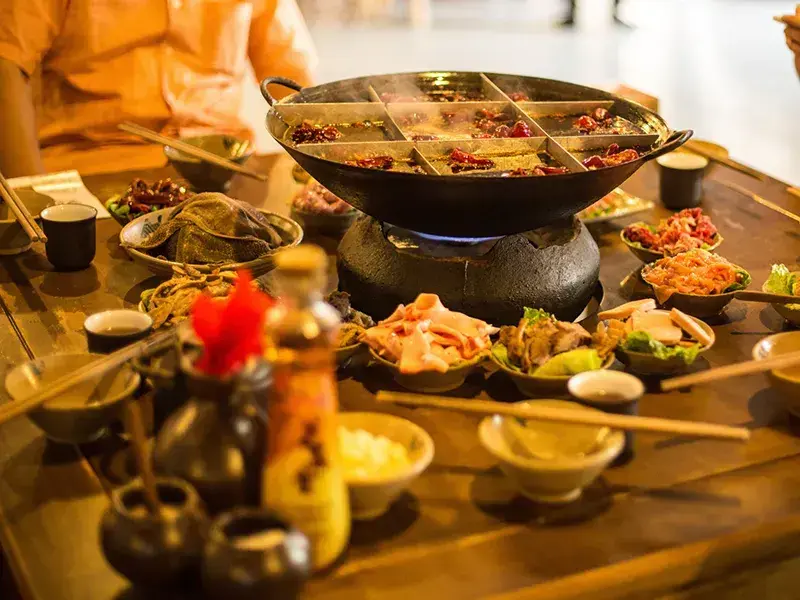
- Evening where to stay/eat: Stay in "World's Highest City" Litang (4000m+). Litang nights are truly cold, and altitude sickness often strikes at night. Tonight's strict order: eat Tibetan hot pot cooked in a pressure cooker broth, or pressure-cooked well-done rice. Litang's air pressure is extremely low—regular pot rice is definitely undercooked—eating it guarantees diarrhea.
D4: Litang → Daocheng → Yading
- Morning eat what: Early in Litang, must visit a local tea house—try local sweet tea and tsampa. Sweet tea is like Tibetan milk tea—high calorie, energy-boosting, and hot—100 times better than cold mineral water.
- Afternoon anti-scam: Litang to Daocheng passes Haizi Mountain—ancient glacial relics, desolate. No reliable restaurants on this section—must stock road food in the car.
- Evening where to stay/eat: Arrive at Shangri-La Town (Yading scenic area base), altitude drops to 2000m+. Commercially mature here—safely enjoy wild mushroom hot pot or roasted Tibetan fragrant pig. Tibetan fragrant pig meat is firm, skin roasted crispy, paired with local barley wine (drink sparingly—easily causes altitude sickness)—the journey's fatigue instantly worthwhile.
🎒 Veteran's Kit: Bring Right, Not Much (Stomach Protection Edition)
Eating well in western Sichuan—30% finding shops, 70% your own gear. Especially at high altitude, your digestive system is far more fragile than on the plains.
- **Documents & Hard Currency**
- ID card (required at checkpoints, keep close)
- Some cash (deep mountain Tibetan tea houses may have poor signal—cash works best)
- **Clothing (for food stalls and photo spots)**
- Hard shell jacket (standard issue—western Sichuan wind instantly cools what you just ate)
- Fleece thermal underwear (nighttime roadside stalls or Tibetan tent hot pot—inadequate warmth means stomach cramps)
- **Stomach & Health Protection Medicine (Core Essentials)**
- Smectite/Zhenglu pills (trust me, you'll need them—plateau diarrhea is life-threatening)
- Multi-enzyme/digestive tablets (high-altitude gastric insufficiency—essential after yak beef)
- Glucose injection (oral—lifesaver when altitude sickness kills appetite)
- **Electronics & Dining Aids**
- Thermos (long high-altitude driving—a sip of hot water beats any miracle drug)
- Portable alcohol wet wipes (roadside hole-in-the-walls have limited hygiene—clean hands before eating meat)
💡 Heart-to-Heart Truths (Anti-Scam Guide)
[About High-Altitude Dining Reality] Don't fantasize about "steaming hot" at high altitude. In Litang or Tibet's Ngari, water boils at about 85°C. So if the shop doesn't use a pressure cooker—whether noodles or rice—the center will be hard. When eating noodles, if texture seems wrong, don't force it—immediately ask the boss to switch to pressure-cooker noodles, or change to a small soup pot.
[About Accommodation Dining Unspoken Rules] Many western Sichuan and G318 towns have inns advertising "free Tibetan meal experience with stay." Listen to me—these free Tibetan meals are 99% extremely cheap instant butter tea and frozen mystery meat. Good Tibetan food is hidden near local monasteries or beside markets, in tea shops where local Tibetans themselves go.
[About Drinking Water Truth] Along the way you'll see many clear alpine springs and sacred lake water. Absolutely, no matter what others say, don't drink raw spring water! It contains minerals and wildlife parasites—locals have adapted gut flora, but one sip means the rest of your trip is in the toilet or en route to hospital.
📸 Don't Shoot Blindly—These Food Spots Are Stunning
Eating isn't just about filling up—social media aesthetic must be maxed. These three spots from 15+ years of guiding guarantee photos with both street-level authenticity and sacred atmosphere.
- Litang · Old Tea House beside Tsangyang Gyatso Micro-Museum
- Best Time: 8:30-9:30 AM
- Angle & Method: Must order a pot of sweet tea (served in old-style aluminum pot), sit by the window wooden bench. Morning sun through Tibetan window lattice illuminates the sweet tea's steam. Outside: prostrating pilgrims. Inside: your steaming tea bowl. Lower exposure for deeply human, weighty photos.
- Xinduqiao · Nameless Sichuan Restaurant on Waze Township Roadside
- Best Time: 6:00-7:00 PM (sunset)
- Angle & Method: Park the car (muddy hardcore off-road preferred—our Tank 300 is perfect) on the gravel in front. Have a friend shoot from inside looking out, you sit on the threshold with a bowl of rice, background: golden Minya Konka silhouette. This "hardcore off-road veteran's rugged authenticity" is far more premium than posed influencer café shots.
- Baxu/Ranwu Lake Tibetan Tent
- Best Time: After 9:00 PM
- Angle & Method: Tibetans set up a wood stove in the tent with boiling beef soup on top. Phone night mode, shoot from inside the tent upward—stove fire, boiling white steam, and faint starlight through the tent top in one frame. This is the standard "on the road" freedom feeling.
💬 Classic Questions Asked 800 Times (FAQ)
- Q: Can Tibetan food and butter tea really fight altitude sickness?
- A: Yes, with conditions. Butter tea and tsampa are high-calorie foods that rapidly replenish energy consumed in low-oxygen environments—the salt also maintains electrolyte balance. But! If you're lactose intolerant or the strong gamey smell makes you nauseous, don't force it—vomiting more easily triggers severe altitude sickness.
- Q: Can a regular sedan reach these hole-in-the-walls? Road conditions?
- A: Main roads yes, deep exploration no. G318 and the Western Sichuan Grand Loop are well-paved—sedans can navigate town eateries. But to find truly authentic places deep in Tibetan villages or tent tea houses set up by elderly herder women, many require crater-hole and gravel roads. Without a solid-chassis 4WD off-road vehicle (like our Tank 300), you can't even get in—your car would shake apart.
- Q: Vegetables are so expensive on the road—how to supplement vitamins?
- A: Don't count on restaurants. Plateau supply is scarce—a plate of stir-fried greens sometimes costs more than twice-cooked pork, and it's mostly napa cabbage. Smartest approach: buy multivitamin tablets and a case of pure tomato juice at a Chengdu supermarket for the trunk. One tablet after each meal—far more reliable than searching for green vegetables on the road.
🪵 Written at the End—Your Scenery Is Already on the Way
When adventuring, eating well and digesting well are the source of all happiness. Western Sichuan and the Sichuan-Tibet Highway's beauty—half in the eyes, half in the stomach. When you truly sit in a simple prefab at 4000m, eating somewhat sticky pressure-cooker rice, tearing yak beef with a Tibetan brother you just met—that's when you understand this land's most real, most rugged charm.
Exploring these hardcore routes alone, daily battling unreliable viral restaurants, is exhausting. If you can't be bothered to plan, fear food poisoning and diarrhea, or want to customize a no-rush, authentically-eating, comfortably-lodged off-road small group—message our route designers anytime (1V1 customization). We're waiting in Chengdu/Lhasa—vehicle and pressure cooker ready, just waiting for you.
Updated: June 2026 Author: RoamFun Senior Travel Consultant Questions welcome: vip@roamfun.net
Craving a worry-free yet free-spirited journey?
Don't want to plan it yourself? Contact our senior trip designer now for a route and quote tailored to you.
Updated: August 2026 Author: RoamFun Senior Travel Consultant Questions? Contact us: vip@roamfun.net

RoamFun Senior Travel Consultant
Travel DesignerProfessional travel consultant, curating the most practical travel guides for you.