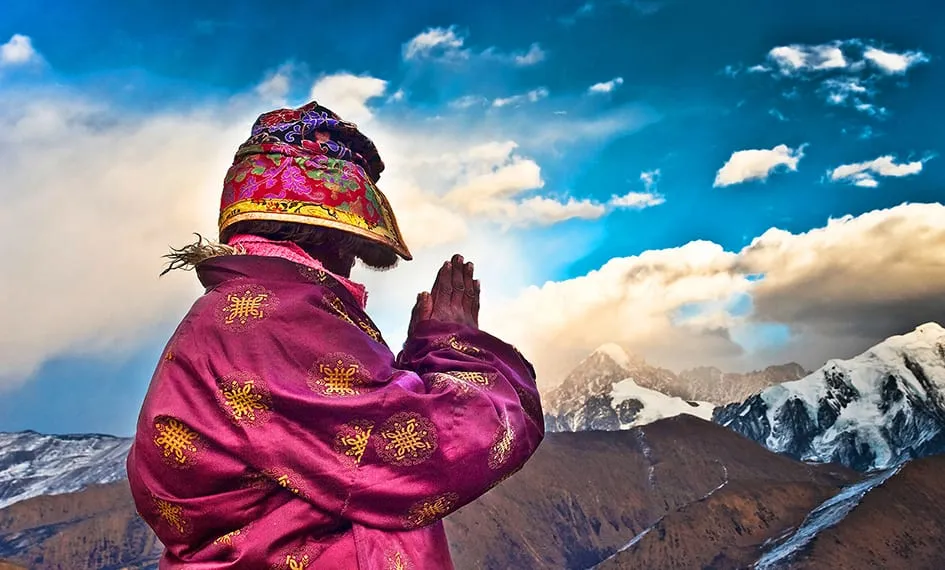

Anyemaqen Snow Mountain Viewing Guide (Sacred Mountain)
Anyemaqen is one of the four great sacred mountains of the Tibetans — in Tibetan it means "the noble great mountain" or "Machin Gangri" — located in Maqin County, Guoluo Tibetan Autonomous Prefecture, Qinghai, near the source of the Yellow River. Alongside Meili, Mount Kailash and Gado Jowo, it is counted among the four great sacred mountains of the Tibetan regions. There is no commercial hustle here: the snow peaks rise majestically, the glaciers are magnificent and the grasslands are vast. The main peak, Machin Gangri, stands about 6,282 meters high with year-round snow, revered by countless Tibetan believers as the "guardian sacred mountain" of the Yellow River's source. Compared with Meili or Kailash, Anyemaqen is more pristine and far less crowded — an unmissable destination for deep travelers who seek "fewer people, more beauty." This article systematically covers Anyemaqen's viewing routes, the best photo spots, transport options, altitude-sickness prevention and practical pitfalls, so you can safely and smoothly complete an unforgettable sacred-mountain journey. Worth noting, Anyemaqen's unique location and devout atmosphere make it a weighty stop on a deep Qinghai itinerary — it is not thronged like a hot tourist spot, yet in that undisturbed quiet you can truly grasp the faith and cultural heritage behind a Tibetan sacred mountain.
🏔️ About Anyemaqen
Anyemaqen is not just a snow mountain — it is a landscape rich in both faith and natural beauty. To truly enjoy it, first understand the basics:
- Location: Maqin County, Guoluo Tibetan Autonomous Prefecture, Qinghai, near the Yellow River source; relatively remote to reach
- Status: one of the four great sacred mountains of Tibetans, of high standing in Tibetan Buddhism, with many believers making pilgrimages and circumambulations each year
- Main peak: Machin Gangri, ~6,282 m, one of the highest peaks in Qinghai
- Sights: snow mountain ranges, glaciers, alpine grassland, river-valley pastures — pristine and grand, blending faith and scenery
- Climate: highland continental climate with big day-night swings and intense sun; May–October is the more suitable window
The Anyemaqen range runs northwest–southeast for tens of kilometers, massive and imposing, with glaciers developed above the high snowline — especially breathtaking under the summer blue sky.
📷 Viewing Routes & Spots
Anyemaqen offers several ways to view it; choose based on your time and stamina. There are three main viewing styles:
- Distant views: look across the continuous snow range from high points in Maqin county and along the roads — the most convenient option for most visitors
- Close-up: venture into the pastures and river valleys at the mountain's foot to gaze up at the glaciers and main peak, subject to road conditions and access
- Kora: the Tibetan circumambulation around the sacred mountain, usually taking 2–3 days or more, requiring full preparation and good fitness
Recommended best spots:
- Passes or high points along the road: a wide view of the Anyemaqen peaks lined up one after another
- Alpine grassland: snow mountains as the backdrop, grassland as the foreground — rich layers, great for portraits and landscape shots
- Clear days: crisp outlines; at sunset the main peak can show a gorgeous "golden snow mountain" glow — time your visit carefully
📷 Photo tip: morning front light suits snow-peak details; late-afternoon side/back light suits the golden peak. A telephoto lens pulls in the summit detail.
🚗 How to Get There
Anyemaqen lies deep in Guoluo Prefecture; transport is the key to your visit, so plan ahead:
- Transport: from Xining, take the G0615 expressway to Maqin County — about half a day's drive; or fly directly to Maqin Airport to save time
- Road conditions: most viewpoints are along roads or pasture tracks; some sections need an off-road vehicle — ordinary sedans should be cautious
- Driving reminder: at high altitude there are many bends and long grades; keep your speed down and stop to rest along the way
- Local resources: Maqin county town has fuel, food and lodging — fill up and stock provisions before heading into the mountains
On altitude: the Anyemaqen area generally sits above 4,000 m. It's wise to acclimatize for a day or two in Xining or Maqin county before arranging deep viewing.
⚠️ Highland Notes
High altitude is the biggest challenge of an Anyemaqen trip. Keep these points in mind:
- Altitude sickness risk: above 4,000 m here; bring oxygen and anti-sickness medication before going in; rest promptly if you get headaches or nausea
- Slow down: keep movement and activity slow, avoid strenuous exercise, and give your body time to adapt
- Wind and warmth: it's windy and cold on the mountain; bring a warm jacket and layers even in summer
- Sun and hydration: highland UV is extremely strong — sunscreen, sunglasses and a hat are essential; drink plenty of water to avoid dehydration
- Know your limits: never push yourself on the highland; descend promptly if you're unwell
💊 Tip: start taking rhodiola or similar anti-altitude herbs 1–2 days in advance, and carry ibuprofen or similar to relieve headaches.
📌 Practical Tips
Anyemaqen is remote and pristine; a little homework up front saves a lot of trouble:
- Respect the sacred mountain's faith — do not profane or make noise; view civilly and follow local customs in monasteries or kora areas
- Viewing routes and road conditions should be checked against real-time info; confirm with locals before departing to avoid getting lost
- Kora needs full preparation: solid fitness, warm gear, provisions — travel in a group whenever possible
- Protect the highland ecology — take all your trash out; don't trample grassland or disturb wildlife
- Check the weather in advance and avoid entering the mountains in rain, snow or strong wind — safety always comes first
Anyemaqen is "one of the four great sacred mountains," with pristine, grand snow peaks and glaciers. Go deep into Guoluo and view this sacred mountain to feel Qinghai's purest, most devout highland scenery. Whether you're a self-driver, a photography enthusiast or a Tibetan-culture lover, this silent and solemn sacred mountain will not disappoint — when you stand at a pass and see the snow-clad Machin Gangri rising against the blue sky, with only the wind and the rustle of prayer flags in your ears, that moment of awe and stillness becomes one of the most precious pages of your travel memories. Take this guide, pick a clear day, and let Anyemaqen's snow and faith round out your Qinghai journey perfectly.
Don't want to plan your Anyemaqen itinerary yourself? Want a sacred-mountain journey tailored to the roads, season and your budget?
Get a free itinerary & quote or email vip@roamfun.net — RoamFun's senior travel consultants will design a dedicated plan for you one-on-one, making your highland trip safe and worry-free.
Updated: August 2026 Author: RoamFun Senior Travel Consultant Questions? Contact us: vip@roamfun.net

RoamFun Senior Travel Consultant
Travel DesignerProfessional travel consultant, curating the most practical travel guides for you.