
Tianshui Malatang Taste Hunt: How to Eat in the Viral Northwest Town — Old City & Fuxi Temple in One Day
Bottom line: The soul of Tianshui malatang isn't the heat — it's the aroma of Gangu chili and the chewy softness of hand-rolled wide noodles. Since going viral, the internet-famous shops still queue, so stagger your times and try local spots too. After the malatang, spend half a day on Fuxi Temple and Tianshui Old City — the "hometown of Fuxi" has far more to offer than a bowl of noodles.
In the spring of 2024, "Tianshui malatang" carried this small northwest city to the top of the trending charts on a wave of chili-oil aroma — the local tourism office even launched a "malatang shuttle line" for visitors. Now that the fever has cooled, Tianshui is actually easier to enjoy: same noodles, half the queues. This guide tells you how to eat like a local and play without regrets.
1. Why Tianshui malatang went viral
- Gangu chili: Tianshui's Gangu County is a famed chili homeland; the oil-splashed chili is fragrant without being scorching, glossy red and thick — the "soul dip" of the dish;
- Hand-rolled noodles / wide noodles: fresh potato-starch noodles that hold up in the broth and turn silky — a completely different beast from the thin noodles of Chongqing/Sichuan malatang;
- Self-serve by weight or skewer: pick freely from the veg racks, rich in meat and vegetables, great value — 20–40 RMB per person for a serious fill.
So Tianshui malatang is really a bowl of "fragrant, spicy noodles," not "numbing skewers." That difference is worth experiencing on its own.
2. What and where to eat?
Must-order list
- Hand-rolled wide noodles (the king of mains), Dingxi wide noodles, potato slices, tofu skin, cabbage, rice cakes — plus a local "Bingfeng / Dayao" soda.
How to pick a shop?
- The shops that trended during the boom — like Haiying Malatang — are still the strongest brands, but queues remain; if you don't want to wait, their branches deliver the same flavor;
- Locals favor old shops near residential areas — gauge quality by how many locals are queuing at the door;
- Internet-famous spots routinely queue 1–3 hours at peak, so stagger away from meal times (before 11:00 or after 14:00).
Also try Tianshui snacks
Gua gua (buckwheat jelly), ran ran, lard boxes, jiangshui noodles, Tianshui "Eight Great Bowls" — all "carbohydrate happiness" like the malatang.
3. Beyond malatang, what else does Tianshui offer?
1. Fuxi Temple (cultural must-go)
- The largest surviving complex in China dedicated to the worship of Fuxi — called the "First Temple of China";
- See the Ming-dynasty timber main hall, the painted Taji Hall and the ancient cypress-filled courtyard; the Tianshui Museum is also housed within;
- Ticket around 40 RMB (per official sources), visit time about 1.5 hours.
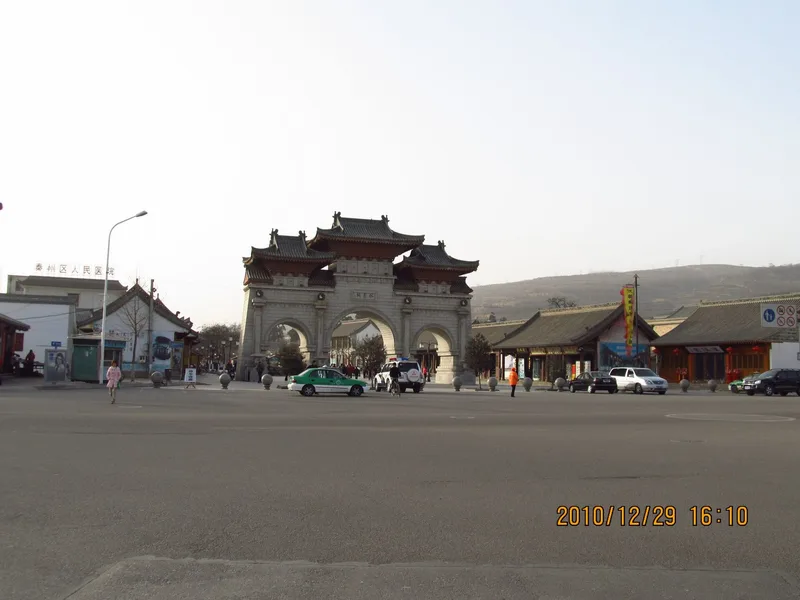
2. Tianshui Old City (Xiguan Old City)
- An open restored district of Ming/Qing streets and old residences; Yuquan Temple and the Hu family residence (South Zhai) are within walking distance;
- It lights up beautifully at night — good for strolling and snacking at small eateries.
3. Maijishan Grottoes (a must if you have time)
- One of China's four great grottoes, the "Eastern Sculpture Gallery," in Maiji District about an hour from the city center;
- A dedicated guide exists — with enough time, plan a 2-day Tianshui: city food and culture one day, Maijishan the next.
4. How to get to Tianshui?
| Departure | Option | Time |
|---|---|---|
| Xi'an | High-speed rail direct to Tianshui South | About 1.5–2 hours |
| Lanzhou | High-speed rail / bullet direct | About 1.5 hours |
| Tianshui South → city center | Taxi about 30–40 minutes | — |
| Self-drive | Via Lianhuo Expressway | Plan by departure point |
1-day plan: arrive in the morning → malatang for lunch → Fuxi Temple + Old City in the afternoon → evening rail departure. 2-day plan: add a day for Maijishan for a fuller experience.
5. FAQ
Q1: Do you still queue long for Tianshui malatang? A: The hype peak has passed — most of the time you'll be seated within half an hour. Top viral shops still queue on holidays; going off-peak is the safest bet.
Q2: Can people who can't handle spice eat it? A: Tianshui malatang is aroma-forward; even the mild level delivers the oily fragrance. If you're truly heat-averse, tell the shop "less spice / no spice" — the sides are still delicious.
Q3: Besides malatang, what should I eat in Tianshui? A: Gua gua is the locals' "second calling card" — made from buckwheat, sour and spicy, appetite-opening. Lard boxes and jiangshui noodles are also standouts.
Q4: Is Tianshui worth an overnight stay? A: Yes. Downtown accommodation is plentiful and affordable; the Old City's night scenes and late-night snacks are worth it, and a rest leaves energy for Maijishan the next day.
6. What travelers say
"The moment the hand-rolled noodles wrapped in Gangu chili oil hit my mouth, I understood why it went viral. Fragrant-spicy, not burning — a totally different lane from Chongqing-Sichuan. Worth a trip on its own." — food blogger
"The ancient cypresses and Ming hall at Fuxi Temple have so much atmosphere. Great digestion walk after malatang — I got both sides of this city in one day." — Xiaohongshu user
7. Summary
Tianshui is a city rediscovered through a bowl of malatang: the noodles made it famous, but the confidence beneath it is eight thousand years of civilization. Go at the right time, order the right noodles, dodge the peak, then spend half a day in Fuxi Temple and the Old City — and this taste-hunting trip gains a depth beyond the chili aroma.
Craving a worry-free yet free-spirited journey?
Don't want to plan it yourself? Contact our senior trip designer now for a route and quote tailored to you.
Updated: September 2026 Author: RoamFun Senior Travel Consultant Questions? Contact us: vip@roamfun.net

RoamFun Senior Travel Consultant
Travel DesignerProfessional travel consultant, curating the most practical travel guides for you.