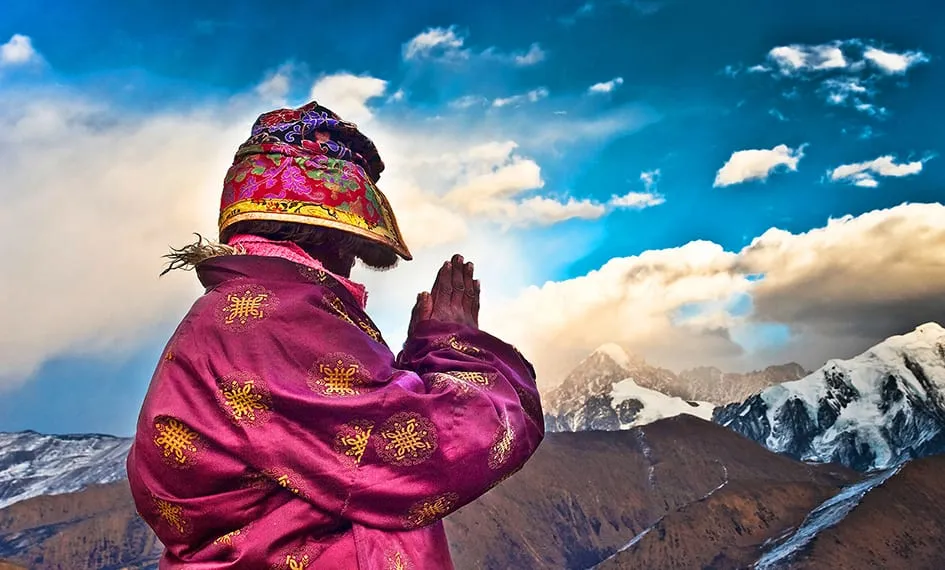

Gansu Four-Season Clothing & Weather Guide: From Gobi Sun to Qilian Snow—How to Dress Right
How big is Gansu? On a map, it stretches more than 1,600 kilometers east to west — roughly the distance from Beijing to Chengdu. That means driving from Dunhuang to the Qilian Mountains in a single day is like stepping from high summer straight into late autumn, and then dropping down to the Gannan grasslands, where mornings can brush below freezing. The Gobi at Dunhuang can hit 40°C in summer, Zhangye's Danxia 30°C, the Qilian foothills 15°C, and Gannan's grasslands near zero at dawn. Your one suitcase has to hold both T-shirts and a down jacket for the same day — while also facing dust storms, ferocious UV, and air so dry your lips crack. Get it wrong once and you're shivering; get it wrong twice and you're sunburned, chilled, and half a trip poorer.
So in Gansu, "what to wear" is never a small matter — it's the hidden mainline of the whole trip. This guide breaks down Gansu's four seasons: how to handle a 20°C swing in spring and autumn, how to balance sun protection and warmth in summer and winter, which regions suit which months, and a no-thinking universal packing list. The core boils down to one sentence — the onion layering method lets you be dressed right from the Gobi's midday sun to the Qilian wind at any moment.
If you only remember one thing from this page, let it be this: in Gansu you dress for the moment, not the forecast. The same highway can cross three climates in a single afternoon, and the weather that greeted you at breakfast won't be waiting at dinner. The travelers who love this province are the ones who came prepared for that—who packed layers instead of guesses, and who treat a hard-shell jacket as their most reliable companion. This guide makes that preparation easy, season by season, so the weather becomes part of the adventure instead of a fight against it.
🚙 Core Principles
Onion Layering Method: Inner layer quick-dry T-shirt → mid layer fleece → outer layer hard shell. Wear everything in the morning, peel off layer by layer at noon.
Color Suggestions: Danxia and desert are warm-toned (red, yellow, orange)—wear cool colors (deep blue, white, khaki) for contrast. Gannan grassland and Labrang Monastery are cool-toned (green + gray + golden roof reflections)—wear warm colors (brick red, turmeric) to stand out. A couple of well-chosen colors turn every photo into a portrait, not just a landscape.
🗺️ Four-Season Breakdown
Spring (March-May): Cold Mornings, Warm Midday
Sandstorm high-frequency period—bring a dust mask or neck gaiter. Hard shell jacket + thin down jacket at hand. May in Dunhuang is 25°C daytime but can drop to 10°C at night. The sandstorms, while dramatic on camera, are brutal on skin and lungs—a neck gaiter and goggles or sunglasses become essential, and a scarf keeps the grit out of your collar. It's also a quieter season for travel, with fewer crowds before the summer rush.
Summer (June-August): Extremely Hot Days, Cool Nights
Daytime: short sleeves + sun shirt (UPF50+) + wide-brim sun hat + sunglasses. Night: thin hard shell or fleece—Gobi cooling is rapid. Sun protection is a necessity—not about tanning, it's about preventing burns. The desert sun at 40°C plus strong UV can burn unprotected skin in under an hour, so a UPF sun shirt and regular sunscreen reapplying aren't optional. The nights, however, drop fast—after the sun sets, the Gobi releases its heat and the chill arrives quickly, so keep that fleece or shell within reach.
Autumn (September-October): Most Comfortable Season
Largest temperature swings—20°C midday, 5°C at night. Hard shell + fleece all day. Gannan can drop below freezing during National Day holiday—stuff a thin down jacket in your bag. Autumn is also the corridor's most beautiful season—the Danxia and the Jinta poplars turn gold, and the clear light makes every viewpoint a photographer's dream. Just remember that comfort at noon is no guarantee by dusk; the layers you peel off in the afternoon you'll want back on by dinner.
Winter (November-February): Seriously Cold
Heavy down jacket (250g+ fill) + thermal underwear + wool socks + gloves + hat + scarf + body warmers on lower back and feet. Gannan commonly hits -20°C. Don't underestimate Gansu's winter—Gobi wind can drop your body temperature several degrees in minutes. The reward for braving the cold is a province nearly empty of tourists: empty Dunhuang dunes, silent Danxia, and a stillness that makes the low sun across the desert unforgettable. Pack like you're going to a northern winter, and the season gives you the corridor at its most private.
🗓️ Region-by-Month Quick Guide
Gansu's regions sit at very different altitudes and climates, so the "best month" varies by destination:
- Dunhuang & the western desert: October is ideal—cool, dry, and the dunes are perfect. Summer is punishingly hot (40°C); winter is cold but empty and beautiful.
- Zhangye Danxia: September-October gives the warm-toned rock the richest light; summer is fine but hot; the winter snow on the red rock is a striking, rarely seen combination.
- Gannan grassland & Labrang: July-August is peak green with wildflowers; September brings golden grass; winter is bitterly cold at altitude but almost empty.
- Qilian foothills: June-September for the greenest valleys and accessible roads; snow lingers into early summer on the higher passes.
The one-line version: if you have to pick a single window for all of Gansu, mid-September to mid-October is the sweet spot—the desert is pleasant, the Danxia glows, and the grasslands are gold but not yet frozen.
🎒 Universal Packing List
⚠️ Don't say I didn't warn you: Gansu is so dry your lips crack in two hours—lip balm + moisturizer in your pocket, reapply every half hour. Air humidity below 15% is normal. Southerners shouldn't be too surprised when their skin cracks.
Regardless of season: lip balm + moisturizer + sunscreen + sunglasses + neck gaiter (sun + dust protection). Hard shell jacket always in your bag—it's Gansu travel's universal cheat code.
💬 What RoamFun Travelers Say
"Wore short sleeves in Dunhuang, put on a down jacket in the desert that afternoon—20-degree swing in one day. Onion layering is a lifesaver." — Xi'an, Xiao He ⭐⭐⭐⭐⭐
"Bought a neck gaiter at the last minute before leaving. It saved me from three dust storms and a sunburned neck. The 'boring' items on this list are the ones you'll actually use every single day." — Chengdu, Mei ⭐⭐⭐⭐⭐
In Gansu, Dressing Right Makes You Half a Local
The travelers who rave about Gansu aren't the ones who got lucky with the weather—they're the ones who came ready for all of it. A hard shell, a fleece, sunscreen, and a neck gaiter: four small things that turn a trip full of climate surprises into one where you're never caught out. That readiness is what lets you enjoy the desert at noon and the grassland at dawn without a second thought, and it's the difference between fighting the province and flowing with it.
✍️ A Final Word
Gansu's weather is the most easily underestimated lesson of any guide, and often the deciding factor in your trip experience. Look back over this page: from the onion layering method's stack of layers, to the different temperature strategies of each season, to the seemingly trivial but life-saving details like lip balm, sunscreen, and a neck gaiter — dressing right is really a conversation with Gansu's vastness: it lets you walk from summer to winter in one day, and teaches you to face any surprise with a single hard-shell jacket. Many travelers' deepest impression after leaving isn't a particular mountain or lake, but "good thing I brought that shell."
Before you depart, run through this list one more time: is the hard shell in your bag? Are sunscreen and lip balm in your daypack? For the Gannan and Qilian legs, is the thin down jacket packed? When you casually peel off your jacket in the Dunhuang sun, then zip up your down jacket in the Gannan wind, you'll thank yourself for the homework done before departure. May you dress comfortably in Gansu, play to your heart's content, make every view worthwhile — and let "dressing right" be your first step to being half a local.
And here's the deeper truth the guide points to: the weather isn't Gansu's flaw, it's its signature. The same geography that hands you a sandstorm one hour and a snow-capped ridge the next is the reason this province holds such a range of beauty—desert, canyon, grassland, and peak, all in one trip. Dress for that range, and you don't just survive the climate swings; you get to enjoy every one of them. Come with layers and an open mind, and Gansu's weather becomes not the thing that tests you, but the thing that shows you how many different places one province can hold.
Craving a worry-free yet free-spirited journey?
Don't want to plan it yourself? Contact our senior trip designer now for a route and quote tailored to you.
Updated: August 2026 Author: RoamFun Senior Travel Consultant Questions? Contact us: vip@roamfun.net

RoamFun Senior Travel Consultant
Travel DesignerProfessional travel consultant, curating the most practical travel guides for you.